
Blogs
Best THC Flower for Relaxation
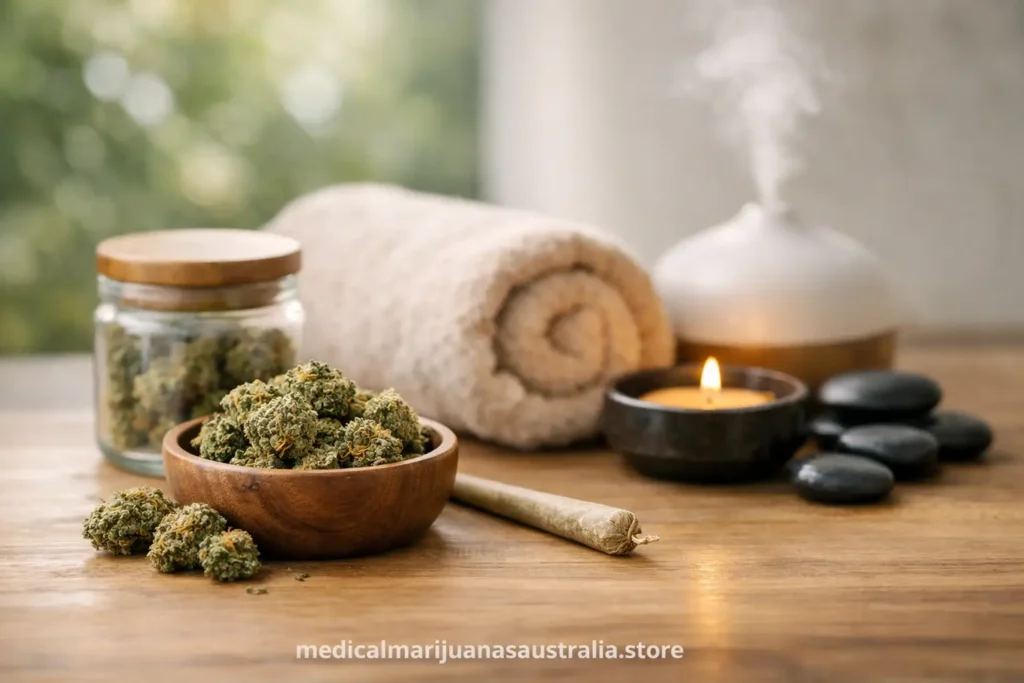
When someone says they want the best THC flower for relaxation, they are rarely asking for the strongest product on the shelf. More often, they want to feel settled at the end of the day, sleep more easily, or soften the physical tension that keeps them switched on. That difference matters, because the right flower for relaxation is usually about balance, timing and terpene profile – not just THC percentage.
For medical cannabis patients, especially first-timers, relaxation can mean different things. For one person it is easing racing thoughts before bed. For another it is calming the body after chronic pain has kept muscles tight all afternoon. A flower that feels deeply soothing for one patient may feel too heavy, or not quite effective enough, for someone else. That is why doctor-guided selection is always the safest place to start.
What makes the best THC flower for relaxation?
The short answer is that relaxing flower tends to combine THC with terpene profiles that support calm, body ease and a slower mental pace. Patients often assume a higher THC number automatically equals better relief, but that can be misleading. In some cases, very high THC can feel overstimulating, particularly for newer patients or people already prone to anxiety.
A more useful way to think about relaxation is through the overall effect profile. Some flowers are chosen because they feel physically grounding. Others are better for mental quietness. Some sit in the middle and offer a gentle, evening-friendly effect that does not feel too intense. The best option depends on whether your goal is stress relief, help with sleep onset, easing discomfort, or simply unwinding without feeling completely sedated.
THC strength is only one part of the picture
THC is the main psychoactive cannabinoid, and it can play a valuable role in relaxation. It may help reduce discomfort, improve mood and make it easier to disengage from stress. But strength alone does not tell you how a flower will feel.
Two products with similar THC levels can produce very different experiences. One may feel smooth and calming, while another feels mentally buzzy or too head-heavy. This is where terpenes, cannabinoid balance and your own tolerance all come into play.
Terpenes often shape the relaxing effect
Terpenes are aromatic compounds found in cannabis that influence the overall experience. For patients seeking relaxation, certain terpene profiles are often preferred.
Myrcene is commonly associated with heavier, more body-focused effects. Linalool is often linked with a calmer, quieter feel. Caryophyllene may appeal to patients looking for comfort when stress and physical tension show up together. None of this means a terpene guarantees a result, but it does help explain why two flowers with similar THC percentages can feel so different.
Indica, sativa and hybrids – helpful, but not the whole story
Many patients start by asking for an indica because they have heard it is best for winding down. That can be a useful starting point, but it should not be treated as a hard rule. Modern cannabis products are often hybridised, and the label alone does not always predict the effect accurately.
For relaxation, many people do well with indica-leaning or balanced hybrid flowers, especially in the evening. These are often chosen for their potential to support body calm, restfulness and sleep preparation. That said, some patients prefer a gentler hybrid that takes the edge off without making them feel too sleepy. If you still need to read, watch television or hold a conversation comfortably, a very sedating flower may not be the best fit.
How to choose the best THC flower for relaxation
The most reliable approach is to match the flower to your actual symptoms and routine. If your main issue is getting to sleep, your doctor may lean towards a more sedating option. If you are trying to reduce evening tension without feeling couch-locked, a balanced flower may make more sense.
Think about when relaxation matters most. A product used at 9 pm can be very different from one used in the late afternoon. You should also consider how sensitive you are to THC. Newer patients generally benefit from a lower starting point, because taking too much too soon can turn a relaxing product into an uncomfortable one.
Questions worth asking yourself
Before discussing flower options with a prescribing doctor, it helps to be clear on what you want the product to do. Are you hoping to settle anxiety at night, reduce pain that keeps you alert, or improve sleep quality? Do you want a mild sense of calm or a stronger sedating effect?
These details make selection easier. They also help avoid the common mistake of choosing a flower based on popularity rather than suitability.
What patients often look for in relaxing flower
In practice, patients seeking relaxation usually look for three things. They want consistent symptom relief, a manageable onset and an effect that fits their evening routine. A flower may be clinically appropriate, but if it leaves someone feeling too foggy or too alert, it is unlikely to be their best long-term option.
This is why a trial-and-adjust approach is often necessary. The first prescribed flower may work well, or it may reveal that you need a different terpene profile, a lower dose, or a more suitable balance for nighttime use. That is normal. Medical cannabis treatment often works best when it is adjusted with professional guidance rather than guessed at.
Dosing matters as much as strain choice
A flower known for relaxation can still feel unpleasant if the dose is too high. This is especially true for first-time patients. Starting low gives you a chance to understand how your body responds without overshooting the effect you want.
For some people, a small amount is enough to ease tension and support a calm bedtime routine. For others, particularly those with existing tolerance or persistent symptoms, the effective dose may be higher. The key is not to chase intensity. The goal is symptom control with the least disruption to comfort and function.
If you are prescribed THC flower, follow the instructions provided by your doctor and pharmacy. Method of use, timing and inhalation technique can all influence how quickly the effects appear and how long they last.
When relaxation and sleep overlap
A lot of patients searching for relaxing flower are really trying to improve sleep. That overlap is common, but it is still helpful to separate the two goals. Relaxation-focused flower may calm the mind and body without necessarily keeping you asleep all night. A sleep-focused option may be heavier and better suited for bedtime only.
If your issue is sleep onset, a flower with stronger calming or sedating qualities may be appropriate. If the problem is waking overnight, your doctor may look more broadly at your treatment plan rather than relying on flower alone. Cannabis treatment is not one-size-fits-all, and the best result sometimes comes from combining product types or adjusting timing.
Why legal, doctor-guided access matters
The strongest case for medical access is not just legality. It is clarity. When patients use prescribed products, they know what they are receiving, how it is labelled and how it fits into a treatment plan. That matters when you are trying to find the best THC flower for relaxation without the guesswork that often comes with unregulated products.
A proper consultation also helps identify whether THC flower is the right option in the first place. Some patients may be better suited to CBD-dominant products, balanced formulas, or a different delivery method altogether. Others may need a slower introduction because of prior sensitivity, mental health history or concurrent medications.
For Australians navigating medical cannabis for the first time, a structured process can remove a lot of hesitation. Services such as Medical Marijuana Australia are designed to make that process easier to understand, while keeping treatment doctor-approved and compliant.
A sensible way to move forward
If you are trying to find the right flower for relaxation, it helps to move past product hype and focus on outcomes. Think about what calm actually means for you. Is it less tension, less discomfort, fewer racing thoughts, or a smoother path to sleep?
That level of clarity makes a real difference when discussing treatment options. The best THC flower for relaxation is the one that suits your symptoms, your tolerance and your evening routine – and does so safely, legally and with confidence. A calm night usually starts with a careful choice, not the strongest one.
