
Blogs
Guide to CBD Treatment Options
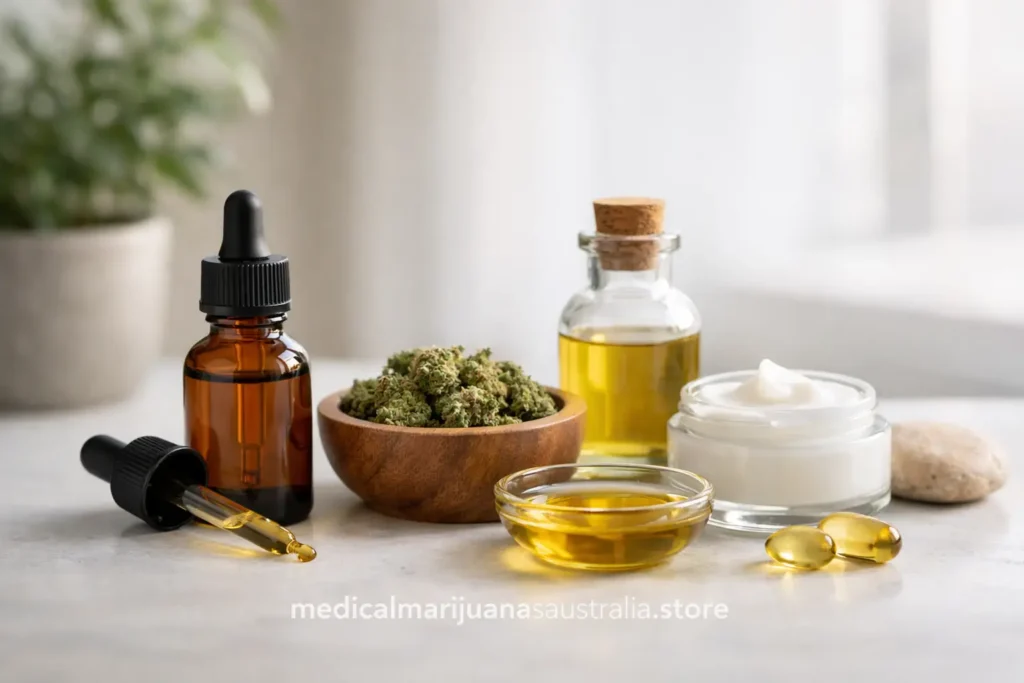
If you are looking for a guide to CBD treatment options, you are probably not chasing hype. You want to know what CBD may help with, which format might suit your routine, and how to approach treatment legally and safely with medical guidance. That is a sensible place to start.
CBD, short for cannabidiol, is one of the main compounds found in cannabis. Unlike THC, it is generally chosen by patients who want symptom support without the strong intoxicating effects commonly linked with cannabis. For many people, that makes CBD the more approachable entry point, especially when they are exploring treatment for chronic pain, anxiety, sleep issues, inflammation or general quality-of-life concerns.
What this guide to CBD treatment options should help you answer
The main question is not whether CBD is simply good or bad. It is whether a particular CBD format, dose range and treatment plan makes sense for your symptoms, health history and daily life. Two people with the same condition may end up using very different products because their needs, tolerance and treatment goals are different.
That is why doctor guidance matters. CBD is still an active treatment, not a wellness extra to add without thinking it through. A prescribing doctor can look at your symptoms, any medicines you already take, and whether a CBD-dominant product or another medical cannabis option is more appropriate.
How CBD treatment is usually approached
Most CBD treatment starts low and builds gradually. This gives patients time to notice how they feel and helps reduce the chance of using more than needed. It also recognises that response can vary. Some people notice subtle improvements in sleep or stress within days, while others need a longer adjustment period and dose changes before they can tell whether it is helping.
The right option often depends on three practical things: how quickly you want effects to begin, how long you want them to last, and how easy the format is to use consistently. Convenience matters more than many people expect. A product only works well in the real world if it fits your routine.
CBD oils are often the starting point
CBD oil is one of the most common prescription formats because it gives a useful balance of flexibility and control. It is usually taken under the tongue, where it can absorb before swallowing. This format lets doctors and patients adjust the dose in small increments, which is particularly helpful for first-time users.
Oils can suit people managing anxiety, sleep disruption, chronic pain or ongoing inflammation because they are easy to use once or twice a day. They also make it simpler to fine-tune treatment over time. The trade-off is that some patients do not enjoy the taste, and measuring doses can feel a bit fiddly at first.
For patients who want a format that is straightforward and adaptable, oil is often the first option discussed.
Capsules offer simplicity and consistency
Capsules are popular with patients who prefer a familiar format and want each dose pre-measured. There is no dropper, no taste, and less guesswork. That can make capsules a strong option for busy adults who want CBD to feel more like any other prescribed medicine.
The downside is flexibility. If your doctor wants you to increase slowly in very small steps, capsules can be less adjustable than oils. They may also take longer to take effect because they pass through the digestive system. For some people, that is perfectly fine. For others, especially those wanting more control over timing, oil may still be the better fit.
Gummies and edibles can help with routine, but timing matters
CBD gummies and other edible formats appeal to patients who want something discreet and easy to take. They can be convenient, especially for people who travel, work long hours or dislike the texture of oil.
Even so, edibles are not always the first recommendation in a medical setting. Effects can take longer to come on, and absorption may be less predictable depending on food intake and individual metabolism. That does not make them ineffective. It just means timing and consistency need a little more attention.
For patients who value simplicity and are comfortable with a slower onset, edibles may still have a role in a broader treatment plan.
Topical CBD is more localised
Topical products such as creams, balms and gels are designed to be applied directly to the skin. These are generally considered when someone wants targeted support for a specific area, such as a sore joint or muscle tension, rather than broader whole-body effects.
This category can be appealing for patients with local discomfort who do not necessarily want an oral product. The limitation is that topicals are usually more focused in scope. If your symptoms involve sleep, anxiety or more widespread pain, a topical alone may not be enough.
Vapes and inhaled formats are more specific cases
Inhaled cannabis formats can act more quickly than oral products, which is one reason some patients ask about them. But they are not automatically the best first choice for CBD treatment. Quick onset can be useful, though inhaled products may not suit everyone, especially patients with respiratory concerns or those who prefer a simpler, more measured routine.
In a doctor-led setting, these formats are usually considered in context rather than treated as the default. Speed is only one part of the decision.
Full-spectrum, broad-spectrum and isolate – what changes?
When comparing CBD products, you may come across terms like full-spectrum, broad-spectrum and isolate. These descriptions refer to which cannabis compounds are included alongside CBD.
Full-spectrum products contain CBD plus other naturally occurring cannabinoids and compounds, sometimes including trace amounts of THC where legally appropriate and clinically prescribed. Broad-spectrum products contain multiple cannabis compounds but aim to avoid THC. CBD isolate contains only cannabidiol.
Which is best depends on the patient. Some people prefer the simplicity of isolate. Others may do better with a broader formulation. This is one of those areas where online opinions can be loud, but personal medical advice is more useful than trends.
What conditions might CBD be considered for?
CBD is commonly discussed in relation to chronic pain, anxiety, insomnia and inflammation-related symptoms. Some patients are looking for support with stress and sleep. Others are trying to reduce the impact of persistent discomfort on work, mobility or day-to-day function.
That said, CBD is not a one-size-fits-all answer. Some conditions may respond better than others, and some patients may need a treatment plan that includes THC, a combination product, or a different approach altogether. The goal is not to force CBD into every situation. The goal is to match the treatment to the person.
Safety, side effects and why supervision matters
CBD is often described as well tolerated, but that does not mean side effects never happen. Some patients report tiredness, dry mouth, appetite changes or digestive upset. CBD can also interact with certain medicines, which is one of the clearest reasons to involve a prescribing doctor rather than self-experimenting.
This matters even more if you already take medication for anxiety, sleep, blood pressure, seizures or pain. A proper consultation helps identify possible interactions and sets realistic expectations about what treatment may or may not achieve.
Accessing CBD legally in Australia
In Australia, legal access to CBD treatment typically involves a medical consultation and prescription pathway. That process is there for a reason. It helps ensure the product is appropriate, the patient is assessed properly, and treatment is monitored over time.
For many people, the biggest barrier is not interest in CBD. It is uncertainty about how to begin. A guided access model can make the process much easier by walking patients through eligibility, consultation, doctor review and product selection in a clear, compliant way. That is where services such as Medical Marijuana Australia can help simplify what otherwise feels unfamiliar.
Choosing the right CBD treatment option for your routine
A good choice is usually the one you can use consistently, comfortably and with confidence. If you want flexible dosing, oil may suit you. If you value convenience and fixed amounts, capsules may make more sense. If you need localised support, a topical could be worth discussing. If your routine is unpredictable, an easy-to-carry edible format may appeal, though timing still matters.
The best outcomes often come from small adjustments rather than dramatic changes. A doctor may start you low, review your response, and refine the plan based on symptom relief, side effects and daily practicality. That steady approach can feel slower than people expect, but it usually leads to better decisions.
CBD treatment works best when it is approached with patience, clarity and proper support. If you are weighing up your options, the most useful next step is not guessing which product sounds best. It is getting advice that fits your symptoms, your lifestyle and the legal pathway available to you.
