Blogs
Medical Cannabis Trends Australia Patients Should Watch
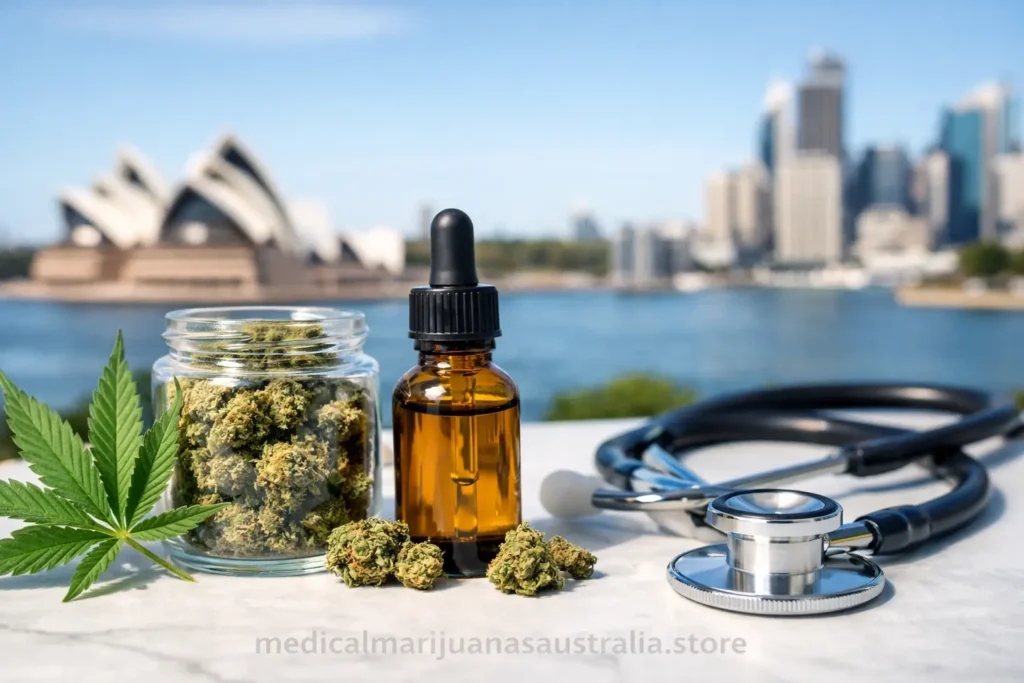
A few years ago, most patients asking about cannabis treatment were starting from scratch. They wanted to know if it was legal, whether doctors could prescribe it, and what products even existed. Now, medical cannabis trends Australia patients are seeing point to something more practical – better access, broader product choice, clearer clinical pathways, and a stronger focus on safe, doctor-guided care.
That shift matters if you are weighing up treatment for chronic pain, anxiety, sleep issues, or another qualifying condition. The market is growing, but growth on its own is not the real story. What matters is how the system is becoming easier to understand for ordinary patients who want a legal, structured way to explore treatment.
Medical cannabis trends Australia is seeing right now
The strongest trend is simple: medical cannabis is moving from a niche option to a more established part of the healthcare conversation. That does not mean it is suitable for everyone, and it does not remove the need for medical oversight. It does mean more patients are approaching the topic through clinics and prescribing doctors rather than relying on hearsay or the illicit market.
This is changing expectations. Patients are no longer just asking, “Can I get medical cannabis?” They are asking which format might suit them, how dosing works, what side effects to watch for, and how long approval and dispensing may take. That is a healthier place for the industry to be, because it shifts attention from hype to treatment fit.
Another clear pattern is the rise of digital access. Many patients want privacy, convenience, and a process that does not feel confusing. Online screening, telehealth consultations, electronic prescriptions, and home delivery have helped reduce friction, especially for people living with ongoing symptoms or limited mobility. For many adults, a straightforward digital pathway feels less intimidating than trying to piece the process together alone.
Product formats are becoming more tailored
One of the biggest changes in medical cannabis trends Australia has experienced is the expansion of product categories. Patients are no longer looking at one broad idea of cannabis treatment. They are choosing between oils, flower, edibles, capsules, and vape products, often based on how quickly they need effects, how comfortable they are with dosing, and what fits their daily routine.
Oils remain popular because they offer relatively simple dose control and can feel more approachable for first-time patients. They often appeal to people who want a measured, repeatable routine and prefer not to inhale. For some, that makes oils a practical starting point.
Flower still has a place, particularly for patients whose doctors believe inhaled treatment may suit their needs. Some patients report that inhaled formats offer faster onset, which can matter depending on the symptom being managed. The trade-off is that it can feel less familiar to new patients, and there is usually more discussion needed around proper use and dosing.
Edibles and capsules continue to attract interest from patients who value discretion and simplicity. They can suit people who want a format that fits neatly into a routine. The main catch is that onset can be slower and effects may last longer, so expectations need to be managed carefully.
What this trend really shows is that treatment is becoming more individual. The right product is not the newest one or the strongest one. It is the one that matches the patient, the condition, the treatment goals, and the prescribing doctor’s advice.
THC and CBD decisions are getting more nuanced
Patients are also becoming more informed about the difference between THC-dominant, CBD-dominant, and balanced products. Early conversations about medical cannabis were often overly simplistic. Now, there is better awareness that these categories can affect the experience quite differently.
CBD products are often discussed by patients who want symptom support without intoxication. That can make them appealing for those who are cautious, new to treatment, or worried about staying functional during the day. THC products, on the other hand, may be considered where stronger symptom relief is needed, but they also require greater care around side effects, driving restrictions, and impairment.
Balanced products sit somewhere in the middle and may suit certain treatment plans, but there is no one-size-fits-all formula. For patients, the useful trend is not just more product availability. It is better education around how these options differ and why clinical guidance matters before choosing one.
Prescribing pathways are becoming easier to follow
A major reason more people are considering treatment is that the prescribing process feels less opaque than it once did. There is still regulation, and that is a good thing. Patients should expect doctor assessment, approval requirements where relevant, and a need for honest discussion about medical history, current medications, and treatment goals.
What has improved is the patient journey. More platforms now explain the steps clearly: complete an enquiry or e-prescription form, attend a consultation, receive doctor assessment, and if approved, access suitable products through legal channels. That structure helps remove the uncertainty that used to stop many people before they even asked the first question.
For first-time patients, this is one of the most important shifts in medical cannabis trends Australia is experiencing. Better access does not mean lower standards. It means the standards are being delivered through a process that is easier to understand.
Price and value are getting more attention
As the market matures, patients are asking harder questions about cost. That is another healthy trend. Medical cannabis can be a meaningful treatment option, but affordability matters, especially for people managing chronic conditions over time.
Patients are increasingly comparing formats, strengths, and repeat prescription costs rather than focusing only on the initial consult. Some may find oils offer better value for their needs, while others may prefer a different format despite a higher price point. It depends on usage, symptom pattern, and how the treatment fits into everyday life.
There is also more interest in predictable supply and consistent quality. A cheaper option is not always better if stock issues, product inconsistency, or poor support create problems later. In a regulated space, value includes reliability, medical guidance, and confidence that the product has been prescribed appropriately.
Safety, compliance, and education matter more than ever
As public awareness grows, so does the need for clear information. Patients are hearing more about legal treatment, but they also need realistic expectations. Medical cannabis is not a cure-all, and it is not appropriate for every person or every condition. Side effects, medicine interactions, individual tolerance, and day-to-day functioning all need consideration.
This is why doctor-led care remains central. A supportive process should make treatment feel easier to access, but not casual. Good education covers product types, dose titration, possible adverse effects, safe storage, and practical considerations such as work and driving. Those details are not barriers. They are part of using treatment responsibly.
This is also where trusted guidance makes a difference. A platform like Medical Marijuana Australia helps patients move through a legal, structured pathway with clearer information and a more manageable process, rather than leaving them to guess what comes next.
What patients should expect next
Looking ahead, the direction is fairly clear. Patients can expect continued growth in product variety, more familiarity among prescribers, and better systems for consultation and fulfilment. At the same time, scrutiny around safety, clinical appropriateness, and compliance is likely to remain strong.
That balance is good for patients. Easier access is valuable, but only when it sits alongside proper assessment and practical guidance. The best trend is not simply that more products exist. It is that more Australians can now approach medical cannabis as a legitimate treatment discussion with real structure around it.
If you are considering treatment, the most useful first step is not chasing the newest product or the strongest category. It is finding a clear, legal pathway where your symptoms, health history, and goals can be properly assessed so the next step feels informed, not uncertain.
