
Blogs
Medical Cannabis Flower Australia Explained
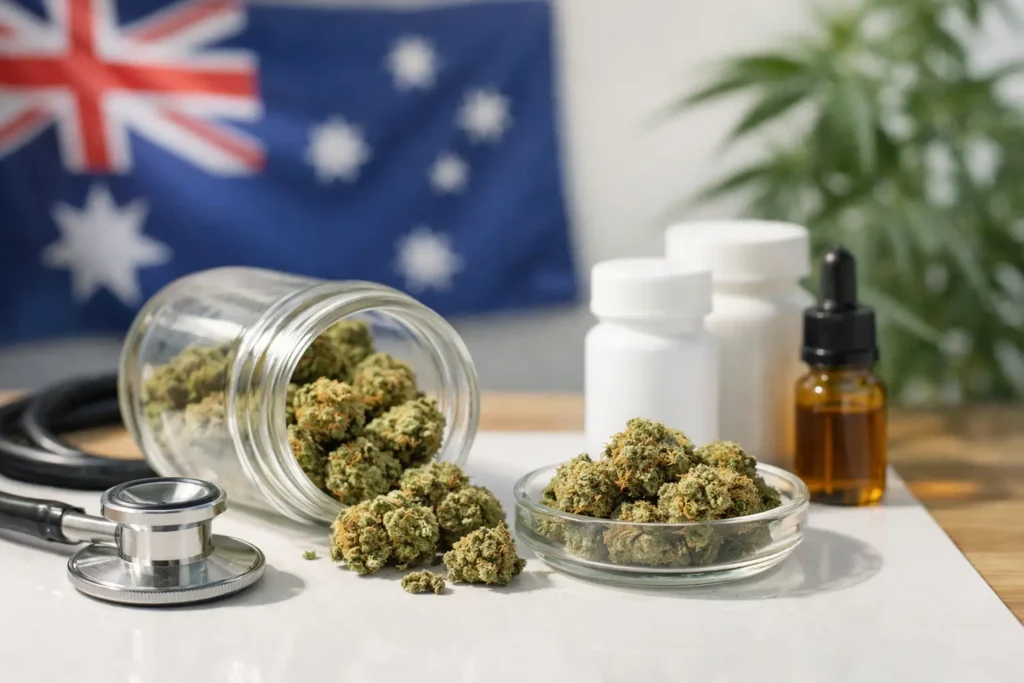
If you are looking into medical cannabis flower Australia patients can legally access, the first question is usually not about strain names or potency. It is whether flower is actually appropriate for your symptoms, and how to get it through the proper medical pathway without confusion. That is where clear information matters.
Flower is one of the most recognised forms of medical cannabis, but it is also one of the most misunderstood. Some patients assume it is the same as illicit cannabis sold casually and without quality control. It is not. Prescribed medical cannabis flower is selected within a regulated framework, matched to patient needs by an authorised doctor, and supplied through legal channels with clearer product information, dosing guidance, and support.
What medical cannabis flower means in Australia
Medical cannabis flower refers to the dried cannabis bud prescribed for therapeutic use. It may contain THC, CBD, or a combination of cannabinoids, depending on the product and the treatment plan. Doctors may consider flower for conditions such as chronic pain, anxiety, sleep issues, and other symptoms where medical cannabis may be clinically appropriate.
The reason some patients are steered towards flower rather than oils or other formats comes down to how it works in the body. Flower is often chosen when a faster onset is important. That can make a difference for people managing breakthrough symptoms, evening pain, or difficulty getting to sleep. Oils, by comparison, are often preferred when patients want a slower onset and more sustained effect.
That does not mean flower is automatically the better option. It depends on your condition, your previous experience with cannabis, your tolerance to THC, your lifestyle, and your doctor’s view of what is suitable and safe.
Why some patients prefer medical cannabis flower
For many first-time patients, flower can seem intimidating at first because it carries the strongest association with recreational cannabis. Yet in practice, some people find it easier to manage than they expected, particularly when they have clear medical advice and a structured dosing plan.
One reason is control. With prescribed flower, patients can often start low and assess effects gradually, especially when using a vaporiser as directed by their doctor. That ability to adjust carefully can be useful for symptom patterns that change across the day.
Another reason is speed. If symptoms come on quickly, waiting for an oral product to take effect may not always be ideal. Flower may provide relief sooner, which is why some treatment plans include it as part of a broader approach rather than as a standalone product.
There is also the question of preference. Some patients simply find that flower suits them better than oils or edibles. Others feel the opposite. Good treatment is rarely about what is most popular. It is about what is appropriate for the individual patient.
Medical cannabis flower Australia access and legality
This is where many people hesitate, often because the rules seem harder to understand than they really are. In Australia, medical cannabis flower is legal when it is prescribed by a registered doctor and supplied through approved medical channels. You cannot legally walk into a standard shop and buy it without a prescription.
For most patients, access starts with a medical consultation. The doctor reviews your symptoms, medical history, current medications, and whether medical cannabis is a reasonable option. If approved, a prescription can be issued for the product category that best fits your needs, which may include flower.
The process is designed to be medical, not casual. That is a good thing. It means your treatment is considered properly, with patient safety and legal compliance built into each step. For people who have been unsure about whether they are eligible, this doctor-guided model often removes a lot of stress.
How doctors decide if flower is suitable
Doctors do not prescribe flower simply because a patient asks for it. They assess the reason for treatment and whether flower fits the clinical picture. Someone dealing with overnight sleep disruption may be considered differently from someone managing daytime anxiety or persistent pain.
THC content matters here. Higher-THC flower may not be suitable for everyone, especially patients who are new to cannabis, sensitive to psychoactive effects, or concerned about impairment. CBD-dominant or balanced products may be more appropriate in some cases, although actual prescribing decisions depend on the doctor and the available products.
Practical factors also play a role. Your work schedule, driving needs, previous response to medications, and confidence with following a dosing plan all matter. A treatment option is only useful if it can be used safely and consistently in real life.
Understanding strains, cannabinoid profiles, and effects
Patients often ask whether they should choose indica, sativa, or hybrid flower. Those labels are familiar, but they are not always the most useful way to understand medical products. In a medical setting, the cannabinoid profile is usually more important than old recreational shorthand.
The key questions are often about THC and CBD levels, and sometimes terpene profiles where relevant. THC is associated with psychoactive effects and may play a role in symptom relief for some patients. CBD is non-intoxicating and may be preferred by those who want a gentler profile or who are trying to minimise impairment.
Effects can still vary from one product to another, even when cannabinoid percentages look similar on paper. That is why doctors usually recommend a cautious starting approach. The goal is not to chase the strongest effect. It is to find the lowest effective dose that supports symptom relief while limiting unwanted side effects.
How medical cannabis flower is commonly used
Prescribed flower is generally intended for vaporisation, not smoking. That distinction matters. Smoking introduces combustion and is not the standard medical route. Vaporisation is often preferred because it heats the flower without burning it, which can make dosing more controlled and may reduce some of the harms linked with smoking.
Patients are typically advised to begin with a low amount, monitor the effect, and increase only if needed under medical guidance. This cautious method is especially important for people who are new to THC or returning to cannabis after many years.
Timing also matters. Some products may be better suited to evening use because of their sedating effects. Others may have a profile that feels less heavy. This is one of the reasons proper prescribing and follow-up are valuable. What looks straightforward at first can require a few adjustments to get right.
Benefits and trade-offs to keep in mind
Medical cannabis flower can offer meaningful relief for some patients, but it is not a perfect fit for everyone. The faster onset can be a clear benefit, particularly for symptoms that need more immediate management. Some patients also appreciate the flexibility of taking smaller amounts as needed rather than relying only on longer-acting products.
The trade-off is that flower may feel less convenient for some people than oils or capsules. It also requires more attention to timing, dosage, and practical use. If a patient wants a discreet option for use during a busy day, flower may not always be the easiest choice.
Side effects are another consideration. Depending on the product and the patient, these may include drowsiness, dizziness, dry mouth, or psychoactive effects. For patients using THC-containing flower, driving restrictions and impairment risks must be taken seriously. This is not an area for guesswork.
What first-time patients should expect
If you are new to medical cannabis, it helps to approach flower with realistic expectations. The aim is symptom support, not a dramatic overnight change. Some patients feel benefit quickly. Others need product adjustments, dose changes, or a different format altogether.
A good access pathway should make this easier, not harder. That means clear eligibility screening, a straightforward consultation process, doctor review, and support around what happens next. Services built around legal access and education can reduce the friction that stops many eligible patients from even starting.
For patients who want a compliant, guided option, the process is usually much simpler than expected once the right support is in place. Medical Marijuana Australia and similar access-focused platforms help turn a regulated process into something more understandable, while still keeping doctor oversight at the centre.
Choosing the right path for medical cannabis flower Australia
The best approach to medical cannabis flower Australia patients can access legally is to treat it like any other medical decision. Start with your symptoms, your goals, and your need for safe, lawful treatment. Do not choose flower because it sounds familiar. Choose it only if it fits your treatment plan.
For some patients, flower becomes an effective part of a broader routine that may also include oils or CBD products. For others, another format makes more sense from the start. There is no prize for picking the most recognisable option. The real value comes from finding a treatment approach that is practical, medically supervised, and suited to your daily life.
If you have been putting off the conversation because the process seemed unclear, that hesitation is understandable. The helpful next step is simply to get proper medical advice and ask whether flower is suitable for your situation, rather than trying to work it out alone.
