
Blogs
Legal Cannabis Clinics Australia Explained
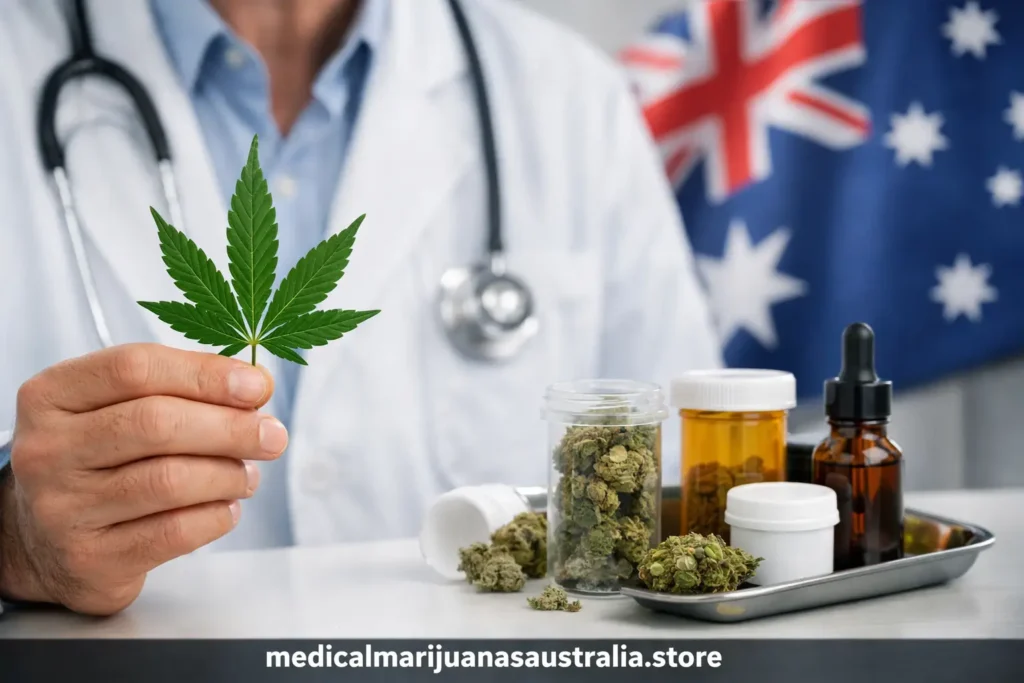
If you have been weighing up medical cannabis, the hardest part is often not the treatment itself – it is figuring out what is legal, what is medically appropriate, and where to start without wasting time. That is exactly why legal cannabis clinics Australia have become a practical option for patients who want a clearer, doctor-guided path.
For many people, the appeal is simple. You want help with symptoms such as chronic pain, anxiety, insomnia, or other ongoing health concerns, but you also want to stay within the rules and deal with qualified clinicians rather than guesswork. A good clinic helps bridge that gap by turning a confusing regulatory process into a structured healthcare journey.
What legal cannabis clinics Australia actually do
A legal cannabis clinic is not just a place that says yes to every patient who asks. At least, it should not be. The role of a legitimate clinic is to assess whether medical cannabis is suitable for your situation, explain the likely benefits and limitations, arrange a consultation with an authorised doctor or nurse practitioner where appropriate, and support you through prescription access if you are approved.
That matters because medical cannabis in Australia sits within a regulated framework. Access is tied to clinical judgement, your health history, and the type of product being considered. A proper clinic should make that process easier to understand, not blur the lines around legality or safety.
In practical terms, most clinics now operate partly or fully online. That means you can usually complete an eligibility form, provide basic medical information, book a telehealth appointment, and discuss treatment options from home. For patients who value privacy and convenience, this model can remove a lot of the friction that once made access feel out of reach.
Who may be suited to a legal cannabis clinic
Not every patient is a match for medical cannabis, and that is a healthy part of the system. Clinics are generally best suited to adults who have an ongoing condition, have tried other treatments or need alternatives, and want supervised care rather than informal cannabis use.
Common reasons people explore treatment include persistent pain, sleep issues, anxiety symptoms, PTSD-related concerns, and certain neurological or inflammatory conditions. But the key point is not the condition name alone. Doctors will usually look at the broader picture – your symptoms, treatment history, current medicines, mental health background, and whether cannabis may present risks as well as benefits.
This is where realistic expectations matter. Medical cannabis is not a guaranteed fix, and it is not appropriate in every case. Some patients respond well. Others find the side effects, cost, or limited symptom improvement mean another approach is better. A credible clinic should be upfront about that from the beginning.
How the process usually works
Most legal cannabis clinics Australia follow a similar pathway, even if the finer details vary. First, you complete an online enquiry or e-prescription form with your health details. This gives the clinic a starting point and helps identify whether a consultation is worth booking.
From there, you would usually have a telehealth consultation with a doctor. This is the point where your symptoms, medical records, past treatments, and goals are discussed in more detail. If the doctor believes medical cannabis may be appropriate, they can consider the prescription pathway available under current regulations.
If approved, the next step is receiving a prescription and being matched with a suitable product category. That might include oils, flower, edibles, capsules, or vapes, depending on your clinical needs and the prescribing approach. Ongoing follow-up is also part of proper care. Dosing often needs adjustment over time, especially for new patients who are still working out what balance gives relief without unwanted effects.
The simplest clinics make this feel straightforward, but not rushed. That balance is important. Convenience is valuable, but it should still feel like healthcare.
Why patients are choosing online clinics
The rise of telehealth has changed access in a practical way. For many Australians, especially those outside major metro areas or those with limited mobility, an online clinic is not just easier – it is the only realistic way to speak with a clinician who understands medical cannabis prescribing.
There is also a privacy benefit. Some patients are comfortable discussing cannabis with their regular GP. Others are worried about judgement, confusion, or simply having another difficult conversation added to an already stressful health issue. An online clinic can provide a more focused and supportive experience.
That said, online access is not automatically better in every situation. Patients with complex medical histories, serious psychiatric concerns, or complicated medication interactions may need closer coordination with their usual healthcare team. The best clinics recognise that and do not treat every patient as if the process is identical.
What to look for in a clinic
The difference between a helpful clinic and a frustrating one often comes down to clarity. Patients should be able to understand how appointments work, what information they need to provide, what approval depends on, and what follow-up support is available.
You should also look for a service that explains treatment in plain language. That includes the difference between THC and CBD, expected onset times, possible side effects, and safe use guidance. If a clinic talks only about products and not about medical suitability, dosing caution, or review appointments, that is worth questioning.
Another good sign is transparency around the patient journey. A strong clinic will explain each step, from assessment through to doctor approval and ongoing care, without making unrealistic promises. Medical cannabis is regulated for a reason. Reassurance is useful, but it needs to be grounded in proper clinical process.
Products, dosing and why personalisation matters
One of the biggest misconceptions is that medical cannabis is one treatment. In reality, there are several product types and they can feel quite different in practice. Oils are often preferred for measured dosing and steady effects. Flower may appeal to patients who need faster onset. Edibles and capsules can suit some people, while vape products may be considered in certain cases.
Then there is the THC and CBD balance. Some patients are looking for symptom relief with minimal psychoactive effect, which can make CBD-focused options more appealing. Others may need a THC-containing product under careful supervision. What works for one patient may be unsuitable for another, even if they have a similar condition on paper.
This is why doctor guidance matters. Starting low, adjusting slowly, and reviewing your response is usually the safest path. A clinic that supports this process properly can save patients from the common mistake of expecting instant results or choosing a format based on hearsay rather than medical advice.
The legal side patients care about most
When people search for legal cannabis clinics Australia, they are usually asking a simple question underneath it all: can I access this lawfully without putting myself at risk? The answer is yes, through the appropriate medical pathway, but only when it is prescribed and managed correctly.
That distinction is important. Legal access does not mean casual access. It means treatment is assessed by a qualified prescriber, approved according to relevant rules, and supplied through proper channels. For patients who want certainty, that structure is a major advantage.
It also helps reduce the guesswork around quality and consistency. Illicit products can vary widely, and there is little protection if something is contaminated, mislabeled, or simply not what you were told it was. A regulated pathway offers a more reliable standard, which is especially important when you are using cannabis for health reasons rather than experimentation.
Why support matters after approval
Getting approved is only the start. Patients often need help understanding how to use their prescription, when to take it, what side effects to watch for, and when to book a review. This is where a supportive clinic stands out.
Good follow-up can make the difference between abandoning treatment early and finding a routine that genuinely helps. Some patients need a product change. Others need dose adjustments or more education around timing and expectations. A service that stays engaged after the initial consult usually delivers a better experience than one that treats approval as the finish line.
That is also why platforms such as Medical Marijuana Australia are built around guided access rather than just information. For patients, the real value is not only learning about the system. It is being able to move through it with more confidence, less confusion, and proper clinical oversight.
If you are considering medical cannabis, the best first step is not trying to decode the whole system alone. It is finding a clinic that treats legality, safety and patient care as part of the same conversation.
