
Blogs
How to Read Cannabis Labels Properly
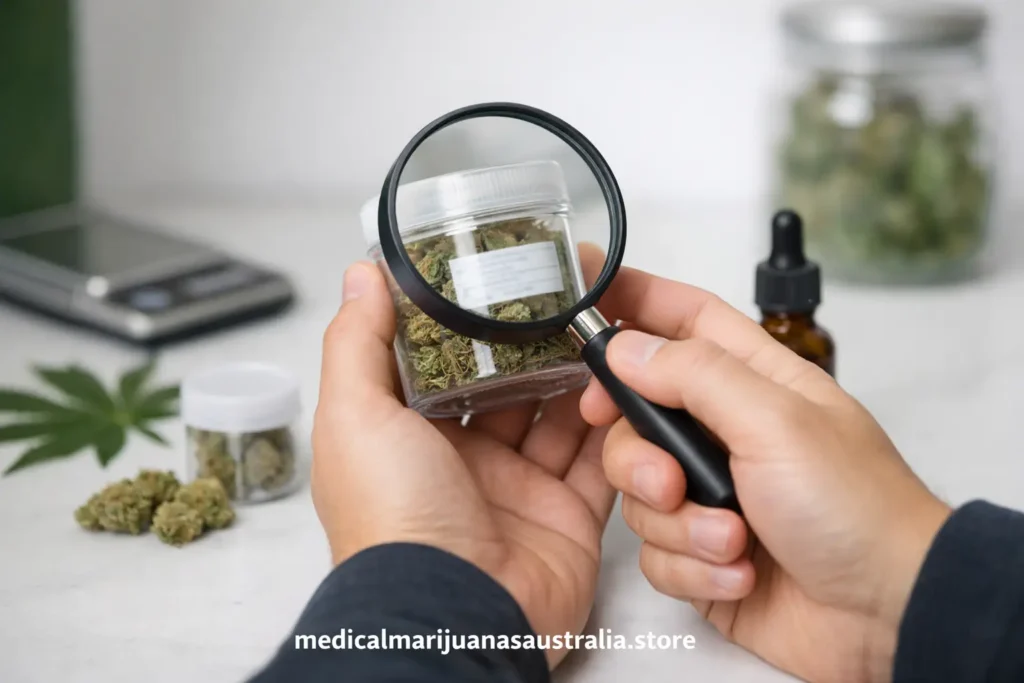
You do not need to be an expert to feel confused by a cannabis label. One bottle says CBD 100 mg/mL, another lists total cannabinoids, and a flower pack might mention THC percentages, terpenes and batch numbers all at once. If you are new to treatment, learning how to read cannabis labels can make the difference between choosing a product that suits your needs and one that leaves you second-guessing every dose.
The good news is that most labels follow a practical logic. Once you know what each part means, the label stops looking technical and starts becoming useful. It helps you understand strength, compare products properly and follow your doctor’s guidance with more confidence.
Why cannabis labels matter
A cannabis label is not just packaging. It is there to help you use a prescribed product safely and consistently. For patients using medical cannabis for chronic pain, anxiety, sleep issues or other symptoms, consistency matters. A small misunderstanding about strength or dose can lead to taking too little, too much or using the wrong product at the wrong time.
Labels also support legality and quality control. In a regulated setting, product details such as batch number, expiry date and ingredient information matter because they show the product has been supplied through an approved pathway. That is especially relevant if you want the reassurance of a doctor-guided process rather than guessing your way through unregulated products.
How to read cannabis labels without overcomplicating it
Start with the product name, but do not stop there. Product names can sound informative, yet they often tell only part of the story. The real detail is in the cannabinoid content, format, dosage instructions and product-specific notes.
Think of the label as answering five basic questions. What is this product, how strong is it, how much should I take, when does it expire, and how should I store it? Once you read labels that way, the important information becomes easier to spot.
Product type comes first
The first thing to identify is the product format. Is it an oil, dried flower, vape cartridge, capsule or edible? This matters because the same cannabinoid numbers can mean different things depending on the format.
For example, an oil label may list cannabinoids by milligrams per millilitre, while flower is usually expressed as a percentage by weight. A vape product may show the total cannabinoid content in the cartridge, and capsules are more likely to list milligrams per capsule. If you compare products across categories without noticing the format, it is easy to misread strength.
THC and CBD are the numbers most patients look for
The most important part of most cannabis labels is the cannabinoid profile, especially THC and CBD.
THC is the cannabinoid associated with psychoactive effects. Depending on the product and your prescription, it may also play a role in pain relief, sleep support and symptom management. CBD is non-intoxicating and is often used where patients want symptom support without the same psychoactive effects.
A label may show these as percentages, such as THC 22% and CBD less than 1%, or as concentrations, such as THC 25 mg/mL and CBD 25 mg/mL. Neither format is better in itself. It depends on the product type.
With flower, a THC percentage tells you how much THC is present by weight. With oils, mg/mL tells you how many milligrams are in each millilitre of liquid. This is much more useful for dosing because it connects directly to how much you measure.
Total content versus concentration
This is where many patients get caught out. A bottle might say 3000 mg CBD on the front, which sounds straightforward, but that figure often refers to the total amount in the whole bottle, not the amount in each dose.
If the bottle is 30 mL and contains 3000 mg CBD total, that works out to 100 mg/mL. If your prescribed dose is 0.25 mL, you are not taking 3000 mg. You are taking 25 mg. That is why concentration matters more than the biggest number on the label.
When comparing oils, always check whether you are looking at total cannabinoids in the container or the concentration per mL. If you skip that step, one product can appear much stronger or weaker than it really is.
How to read dosage instructions on cannabis labels
Not every label will give detailed personal dosing advice, because your doctor’s instructions come first. Still, cannabis labels usually include enough information to help you dose accurately.
For oils, look for volume-based measures such as 0.1 mL, 0.25 mL or 1 mL. If the label says THC 10 mg/mL and you take 0.5 mL, that means you are taking 5 mg THC. The same basic maths applies to CBD.
For capsules, it is more direct. If one capsule contains 10 mg THC and 10 mg CBD, that is your dose per capsule. With flower, the label may not translate neatly into a single dose because dosing depends on the amount used and the method of administration. In those cases, your prescribing doctor’s instructions are especially important.
If the numbers feel fiddly at first, that is normal. Most patients only need a little practice before it starts to feel routine.
Do not rely on strain names alone
Some patients are drawn to product names that sound familiar or appealing, especially if they have heard terms like indica, sativa or hybrid. Those labels can be part of the picture, but they should not replace the actual cannabinoid information.
Two products with similar strain-style descriptions can have very different THC and CBD levels. Even terpene profiles, which can affect aroma and subjective experience, do not tell you the whole story on their own. If your goal is predictable medical use, the label’s measurable data matters more than marketing language.
Other details on a cannabis label that are worth checking
After cannabinoids and dosage, there are a few practical fields that deserve attention.
Batch number matters if there is ever a product query, supply issue or quality concern. Expiry date matters because cannabinoids can degrade over time, especially if the product is not stored correctly. Storage instructions also matter more than many people realise. Heat, light and air exposure can affect product stability.
You may also see ingredient lists on oils, capsules and edibles. This is helpful if you have sensitivities to carrier oils or other additives. For some patients, that detail is easy to overlook until they need it.
Reading terpene and minor cannabinoid information
Some products provide more detail beyond THC and CBD, including terpenes or smaller cannabinoids such as CBG or CBN. This can be useful, but it is not the first thing most new patients need to focus on.
Terpenes are aromatic compounds found in cannabis and other plants. They may influence how a product feels for some people, but they are not a shortcut to predicting exactly how you will respond. Minor cannabinoids may also contribute to effects, yet they are usually secondary to the main cannabinoid profile and your prescribed treatment plan.
A good rule is simple: start with THC, CBD, product type and dose. Then, if you want a more refined understanding over time, terpene and minor cannabinoid details can help you compare products more closely.
Common mistakes when learning how to read cannabis labels
One common mistake is assuming a higher number automatically means a better product. Stronger is not always better. It depends on your condition, your tolerance, the time of day and what your doctor has recommended.
Another mistake is comparing a flower percentage directly to an oil concentration. A flower labelled 20% THC and an oil labelled 20 mg/mL are not equivalent figures. They describe strength in completely different ways.
The third mistake is ignoring serving size. This is especially relevant for oils and edibles. The total content in the container may sound impressive, but what matters for day-to-day treatment is how much you take each time.
When to ask questions
Even clear labels do not replace medical advice. If a product name, dosing instruction or cannabinoid figure does not make sense, ask before you use it. This is particularly important if you are switching formats, trying THC for the first time, or moving from one strength to another.
For patients using a guided service such as Medical Marijuana Australia, that support can make the process much easier. You are not expected to work everything out on your own. Labels are there to inform you, while your prescribing pathway is there to help you apply that information safely.
Reading cannabis labels gets easier very quickly once you know what to look for. Focus on the format, the THC and CBD content, the concentration per dose, and the practical details like expiry and storage. After that, the label becomes less of a puzzle and more of a tool you can actually use with confidence. The more familiar you become with your product, the easier it is to make treatment feel steady, informed and manageable.
