Blogs
Can You Drive After Medical Cannabis?
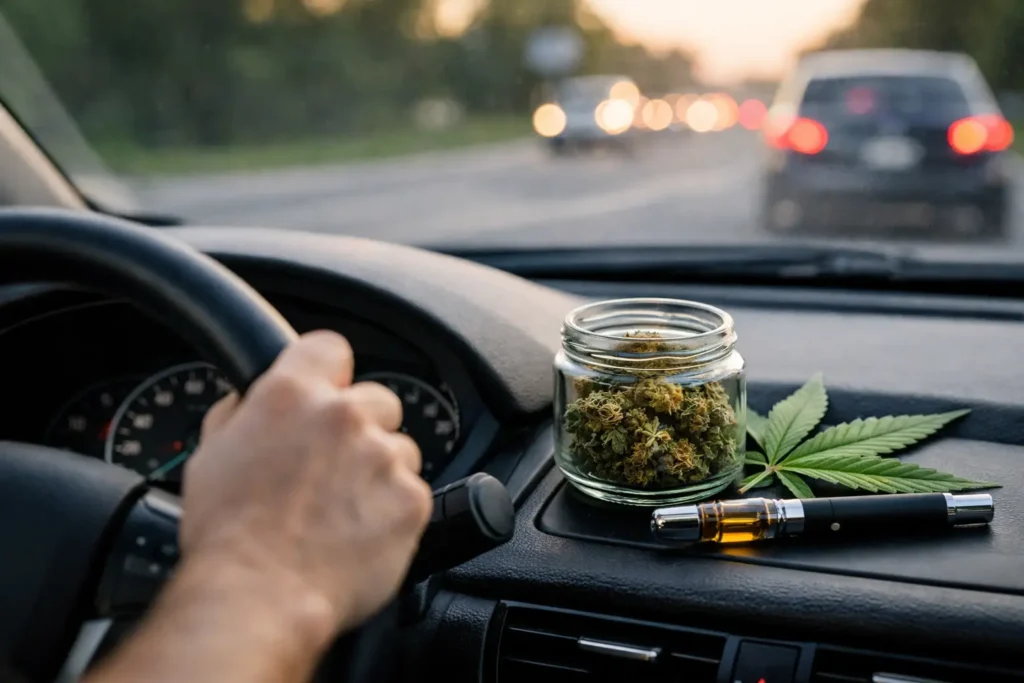
A lot of patients ask the same question before they start treatment – can you drive after medical cannabis? It is a fair question, because legal access to a prescribed product does not automatically mean you can legally or safely get behind the wheel. The answer depends on what you have been prescribed, how it affects you, and how road laws operate in your state or territory.
For many people, this is the point where medical cannabis starts to feel less straightforward. You may be using it responsibly, under a doctor’s supervision, and exactly as prescribed, yet driving can still become a legal and safety issue. That is why it helps to separate two different ideas: impairment and roadside detection.
Can you drive after medical cannabis in Australia?
In practical terms, if your medical cannabis contains THC, you should assume driving may be a problem. THC is the psychoactive compound in cannabis, and it can affect reaction time, coordination, concentration and judgement. Even if you feel normal, you may still be considered unfit to drive, and in many parts of Australia, you may also fail a roadside drug test.
CBD-only products are different. Pure CBD does not usually cause intoxication in the way THC does, so driving issues are generally less restrictive. Even so, patients should still be cautious when starting any new treatment. Side effects like drowsiness, light-headedness or fatigue can still make driving unsafe, especially in the first few days while your body adjusts.
This is where medical advice matters. Your prescribing doctor can explain whether your product contains THC, how long its effects may last, and what precautions make sense for your situation. A patient treating chronic pain at night with THC oil may face different driving considerations from someone using a CBD-only product during the day.
The difference between feeling fine and being legally clear
Many patients assume that if they do not feel impaired, they are safe to drive. Unfortunately, that is not always how the law works. In several Australian jurisdictions, roadside drug testing focuses on the presence of THC in saliva, not whether you appear intoxicated.
That creates a difficult reality for prescribed patients. You may be using a lawful medicine, taking a stable dose, and driving carefully, but a positive roadside test can still lead to penalties. This is one of the biggest areas of confusion around medical cannabis, and it is why patients need to understand both medical guidance and local driving laws.
There is also no single rule that fits every person. The same dose can affect two people very differently depending on body size, tolerance, metabolism, sleep, other medications and how the product is taken. Inhaled products may act quickly and wear off faster, while oils and edibles can take longer to start and last much longer.
THC, CBD and what matters for driving
THC is the main concern when the question is can you drive after medical cannabis. Products containing THC can impair driving ability, particularly when you are new to treatment, increasing your dose, or combining cannabis with alcohol or sedating medicines. Even low doses can be risky for some people.
CBD is generally lower risk from a driving perspective, but patients still need to read product labels carefully. Some products marketed as balanced or full-spectrum may contain THC, even if CBD is the dominant ingredient. If THC is present, the legal risk around roadside testing may still apply.
This is why it is so important not to guess. Know exactly what your prescription contains. If you are unsure whether your product is CBD-only or includes THC, check with your clinic, doctor or dispensing pharmacy before driving.
How long should you wait before driving?
There is no universal waiting period that guarantees you will be safe to drive or test negative. The time THC remains detectable, and the time it affects driving, can vary widely. Route of administration matters, dosage matters, and regular use can change how long THC stays in your system.
For some patients, impairment may ease within hours. For others, especially with oral products, effects may last much longer. Detectability can also outlast the period where you feel any obvious effects. That gap is exactly why relying on how you feel is not enough.
The safest approach is simple: do not drive if your doctor has advised against it, if you are using THC and are unsure of the timing, or if you feel even mildly affected. If you are still finding the right dose, driving should be treated with extra caution.
Roadside drug testing and prescribed cannabis
Roadside testing is one of the most stressful parts of the process for patients. Prescription status does not automatically exempt you from drug driving laws. In many places, the test looks for THC presence rather than impairment, so a lawful prescription may not protect you from a positive result.
This is frustrating, but it is the reality patients need to plan around. If driving is essential for work, family responsibilities or daily life, raise that early in your consultation. It may influence whether a doctor recommends a CBD-only pathway first, a night-time dosing schedule, or a treatment plan designed to reduce disruption.
Medical cannabis can still be a suitable option for many people, but it needs to fit your real life. A treatment that helps sleep but creates legal uncertainty for your early morning commute may need adjusting. Good prescribing is not just about symptom relief. It is also about safety, practicality and compliance.
What patients should do before getting behind the wheel
If you are starting treatment, think of driving as part of your care plan, not a separate issue. Ask what cannabinoids are in your product, whether THC is included, what side effects to expect, and how long your doctor recommends waiting before driving. Be honest about how much you need to drive each week.
It also helps to monitor your own response carefully. The first few doses are not the time to test whether you can manage traffic, school pick-up or a long drive on the motorway. Use your treatment in a safe setting first. Notice whether you feel sleepy, slower, less focused or physically unsteady.
Do not mix cannabis with alcohol and then assume a prescription makes it acceptable. It does not. The same applies if you are taking opioids, benzodiazepines, sleeping tablets or other medicines that can reduce alertness. Combining sedating substances can increase impairment well beyond what you expect.
If driving is essential for your lifestyle
For some patients, not driving is simply not realistic. You may live regionally, care for children, travel for work, or need regular access to appointments and errands. In these cases, treatment planning becomes even more important.
That does not mean medical cannabis is off the table. It means the prescribing conversation should be tailored to your needs. A doctor may consider product choice, timing, dose strength and whether a non-THC option is more appropriate at least initially. A service like Medical Marijuana Australia can help patients understand these pathways clearly and take the next step with proper medical guidance.
Can you drive after medical cannabis if it was prescribed?
This is the question many people really mean: if a doctor prescribed it, does that make driving okay? The answer is still no, not automatically. A prescription confirms lawful medical use. It does not guarantee that driving is safe, nor does it override every roadside drug law.
That can feel unfair, especially for patients using cannabis as a legitimate treatment for pain, anxiety, insomnia or other conditions. But from a practical point of view, the safest mindset is to treat driving as a separate responsibility. Your medicine may be legal. Your fitness to drive still needs to be assessed carefully.
If you ever feel unsure, err on the side of caution. Reschedule the trip, arrange a lift, use public transport, or wait until you have clear medical advice. That small decision can protect your licence, your safety and other people on the road.
Medical cannabis is meant to improve quality of life, not create new risks. The best treatment plans are the ones that work not only for your symptoms, but for the way you actually live each day.
