
Blogs
Best Beginner Cannabis Formats for Patients
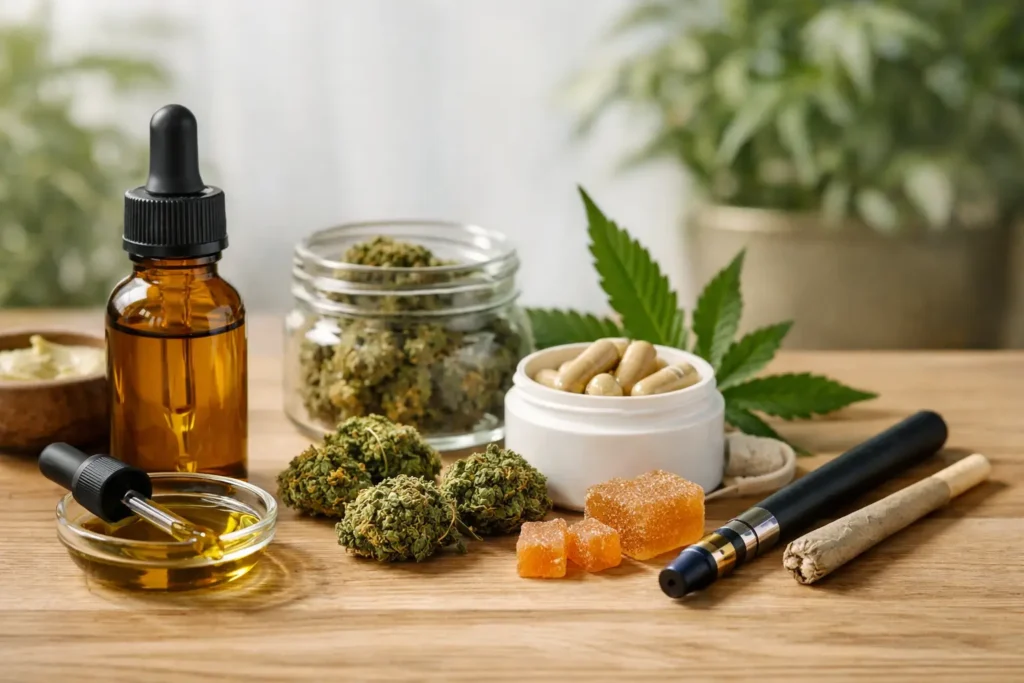
Choosing a first medical cannabis product can feel more complicated than it needs to be. The best beginner cannabis formats are usually the ones that make dosing, timing and day-to-day use easier to understand – while giving your prescribing doctor a clear starting point for adjusting treatment.
For Australian patients, medical cannabis is a prescription treatment, not a one-size-fits-all product. A format that suits someone managing persistent pain at night may not suit a person seeking daytime support for anxiety, sleep disruption or another condition. Your symptoms, other medicines, work and driving requirements, prior cannabis experience and treatment goals all matter.
Best beginner cannabis formats: start with control
For most first-time patients, the key question is not which format is strongest. It is which option allows the most controlled, comfortable introduction to treatment. Products can contain CBD, THC or a combination of both, and each can affect people differently.
CBD is generally non-intoxicating, while THC can cause impairment and may bring unwanted effects such as dizziness, dry mouth, anxiety, altered perception or sedation, particularly at higher doses. A doctor may recommend a CBD-dominant product, a low-THC product or a balanced formulation depending on your clinical needs.
The format matters because it changes how quickly effects begin, how long they may last and how easily you can make small dose changes. For many beginners, oils and capsules provide the most straightforward place to begin. Flower and vapourised products can also have a role, but they require more consideration around onset, equipment and impairment.
Oils: a common starting point for new patients
Medical cannabis oils are taken by mouth, often held under the tongue before swallowing, depending on the product instructions. They are available in CBD, THC and balanced CBD:THC formulations. Because they are measured with a supplied syringe or dropper, oils can allow a prescriber to set out a gradual dosing plan.
This format is often suitable for patients who value privacy, consistent routine and longer-lasting effects. Many people take an oil at a regular time each day or evening, although the right schedule depends on the prescribed product and your symptoms.
The trade-off is that oils are not fast acting. Effects may take from around 30 minutes to several hours to become noticeable, especially when swallowed, and they can last for many hours. This means patience matters. Taking more because you do not feel an immediate effect can lead to an unnecessarily strong experience later.
For beginners, a doctor may use a low starting dose and advise gradual increases only when appropriate. Keep a simple record of the dose, time taken, symptom changes and any side effects. That information helps make follow-up appointments more useful.
Who may prefer oils?
Oils can be a practical option for people who want steady support, are comfortable following a routine and do not need immediate symptom relief. They may be considered for concerns such as ongoing pain, sleep difficulties or anxiety, but suitability must be assessed by a qualified prescriber.
Capsules: simple and discreet
Capsules contain a set amount of cannabinoid medicine in each dose. Their main benefit is consistency. There is no measuring, taste or equipment involved, which can make them appealing for patients who already take regular medicines and prefer a familiar routine.
Like oils, capsules have a slower onset because they are absorbed through the digestive system. They may also last for an extended period. This can be helpful when a longer window of support is needed, but it makes them less flexible if you need a rapid change in effect.
Capsules are often best for patients who want a discreet, low-fuss format and can commit to taking their medicine as prescribed. They are less suitable for people who have trouble swallowing tablets or need a format with quicker onset.
Flower: flexible, but not always the easiest first choice
Prescribed medicinal cannabis flower is a plant-based product that may be administered by vapourisation using appropriate equipment, if directed by your doctor. It should not be assumed that smoking is the recommended route. Smoking carries respiratory harms, and your prescriber can explain the safer administration options relevant to your treatment.
The main difference with vapourised flower is speed. Effects can begin within minutes, making it easier to assess how you feel before taking more. For some patients with symptoms that fluctuate or require more immediate management, that faster onset can be clinically useful.
However, flower asks more of a beginner. You need to learn correct equipment use, storage and cleaning, understand the prescribed amount, and be mindful that effects may be more noticeable quickly. The smell and practicalities may also be less convenient than an oil or capsule.
A patient who is new to cannabis may still be prescribed flower, particularly where a clinician believes the faster onset is appropriate. The safest approach is to follow the individual instructions carefully, take the smallest prescribed amount and wait long enough to assess the effect before considering any further use.
Vapourised products: quick onset with important cautions
Some prescribed medical cannabis products are intended for use with a vapouriser. As with flower, inhaled formats tend to work faster than oral products and have a shorter duration for many people. That can offer flexibility, but it can also make it easier to take too much if you are not following a careful plan.
Not every vape product or device available elsewhere is suitable, legal or appropriate for a medical cannabis patient. Use only products and equipment supplied or approved through your lawful prescription pathway, and ask your prescriber or pharmacist if you are unsure how to use them.
For a first-time patient, vapourised options may be considered when timing is a priority. They are not automatically better than oils or capsules. The right choice comes down to your condition, lifestyle, ability to use the device safely and the likelihood of impairment.
Edibles and other oral products
Some patients may be prescribed oral products such as wafers, lozenges or other edible-style formulations. These can be discreet and easy to use, but their timing can be less predictable than an inhaled medicine. Food, digestion and individual metabolism may change when effects begin and how long they last.
The same beginner rule applies: do not treat an edible-style product like an ordinary snack. Keep it in its original child-resistant packaging, store it securely and use only the exact amount prescribed. Never share prescribed cannabis products with another person.
How to choose the right first format
Your doctor is likely to consider more than the symptom you want to address. Be open about when symptoms occur, whether you need to drive, your work responsibilities, any history of anxiety or mental health concerns, and all medications or supplements you currently use.
A useful starting conversation includes whether you want longer-lasting support or faster onset, how comfortable you are with measuring doses or using a device, and whether daytime impairment would create a safety issue. You can also ask what side effects to watch for, when to contact the clinic and how the treatment plan may be adjusted.
For many people, the first prescription is a trial rather than a final answer. A format or ratio can be changed with medical guidance if it is ineffective, inconvenient or causes side effects. Starting low and making measured changes is usually safer than chasing a quick result.
Safety and legal responsibilities in Australia
Medical cannabis should be used only when prescribed by an authorised Australian clinician and dispensed through a legal pharmacy pathway. A prescription does not mean you can drive after taking THC. THC can impair reaction time, judgement and coordination, and roadside drug testing laws can apply even when you feel unaffected. Do not drive or operate machinery if you have taken THC, and discuss your state or territory requirements with your doctor.
Avoid mixing cannabis with alcohol or other sedating medicines unless your prescriber has specifically advised you. Tell your clinician promptly if you experience severe anxiety, confusion, fainting, chest discomfort, troublesome nausea or any effect that concerns you. Keep products away from children, pets and anyone for whom they were not prescribed.
The best first format is the one you can use safely, consistently and legally under medical supervision. A clear consultation and an honest discussion of your needs can turn an uncertain first step into a treatment plan that feels manageable and supported.
