
Blogs
Best Medical Cannabis Oils for Your Needs
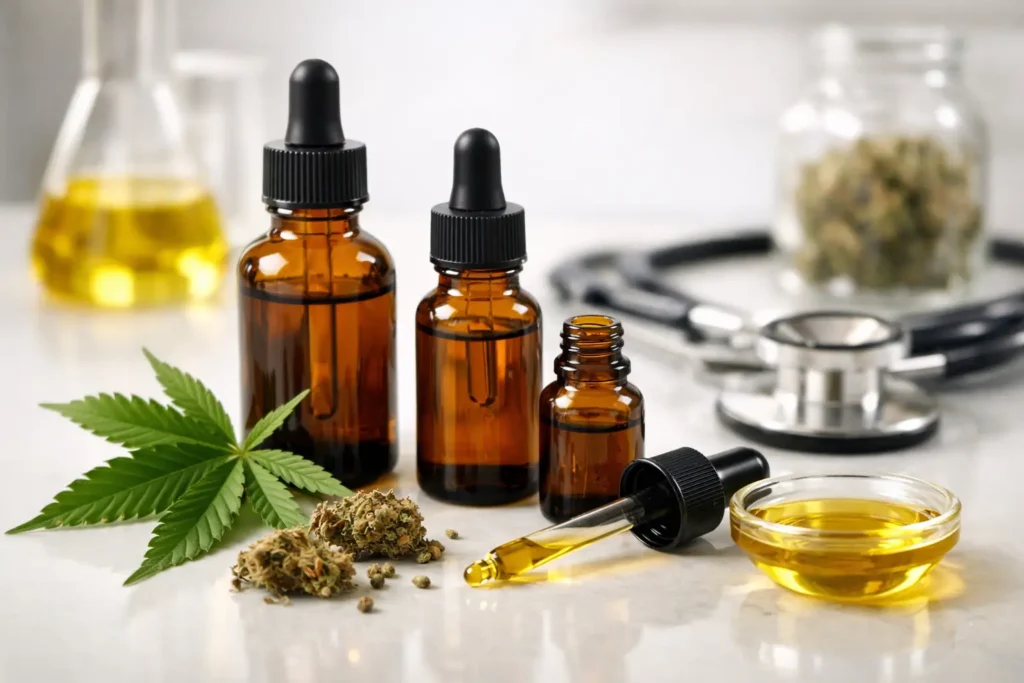
A night of broken sleep or another day shaped by persistent pain can make the search for the best medical cannabis oils feel urgent. But the right oil is rarely the one with the highest THC or CBD percentage. It is the product, formulation and dose that best suit your symptoms, health history, daily routine and doctor’s treatment plan.
For Australian patients, medical cannabis oil is a prescription medicine. That means product selection should start with a clinical conversation, not a social media recommendation or a friend’s experience. Oils can offer a discreet, measured way to use prescribed cannabis, but they also work differently from flower, vapes or other formats and may not suit every person or every symptom pattern.
Best medical cannabis oils start with the right question
Rather than asking which oil is objectively best, ask what you need it to help with. A person managing ongoing pain may need a different cannabinoid ratio and dosing schedule from someone seeking support for sleep disruption, anxiety or muscle spasticity.
Your doctor may consider the symptoms you are treating, their severity and timing, medicines you already take, previous cannabis experience, and whether THC is appropriate for you. Your work and driving requirements matter too. A THC-containing medicine can affect alertness and may have serious implications for driving, even when it has been legally prescribed.
The best outcome is not necessarily feeling a strong effect. For many patients, it is being able to sleep more consistently, move with greater comfort, reduce symptom flare-ups or get through the day with fewer interruptions. Clear treatment goals give your prescriber a practical way to assess whether an oil is helping.
CBD, THC and balanced oils: what is the difference?
Cannabis oils are usually described by their main cannabinoids. The two most commonly discussed are cannabidiol, known as CBD, and tetrahydrocannabinol, known as THC. Each can play a different role in a doctor-guided treatment plan.
CBD-dominant oils
CBD-dominant oils contain little or no THC. They do not usually produce the intoxicating effects associated with cannabis. Some patients and prescribers prefer CBD-focused products where daytime function, mental clarity or avoiding THC exposure is a priority.
CBD can still cause side effects and can interact with other medicines, including some that affect the liver. It should not be treated as risk-free simply because it is non-intoxicating. Your doctor and pharmacist need to know about all prescription, over-the-counter and complementary medicines you use.
THC-dominant oils
THC-dominant oils may be considered when a prescriber believes THC could be appropriate for symptoms such as pain, nausea, poor appetite or sleep difficulty. THC can cause drowsiness, dizziness, dry mouth, changes in concentration, anxiety or an unwanted intoxicated feeling, particularly at higher doses or when starting treatment.
THC is not suitable for everyone. Your clinician will consider individual risk factors, including personal or family history of certain mental health conditions, cardiovascular concerns and other medicines that can cause sedation. It is also essential not to drive or operate machinery while impaired. Road laws and testing arrangements vary between states and territories, and a prescription does not automatically make THC driving lawful.
Balanced CBD and THC oils
Balanced oils combine CBD and THC in set ratios. Some patients find that this approach better matches their needs, while others respond more predictably to a CBD- or THC-dominant option. There is no ratio that works for everyone.
A balanced oil is not automatically milder just because it contains CBD. The total amount of THC, your dose, your sensitivity and the timing of use all influence how you feel. This is why doctors often begin carefully and review treatment over time.
What makes an oil suitable for you?
The cannabinoid ratio is only one part of the decision. Medical cannabis oils can vary in concentration, carrier oil, terpene profile and bottle format. A more concentrated product may mean a smaller volume per dose, but it does not necessarily mean it is stronger in the way that matters for your symptoms.
The timing of symptoms also helps shape the plan. If discomfort is most disruptive at night, your prescriber may discuss a different schedule from someone whose symptoms affect work hours. Oils are generally taken under the tongue or swallowed, depending on the product directions. Their effects can take longer to begin and last longer than inhaled products, so they are not always the best option for symptoms requiring rapid relief.
Taste and tolerability are practical considerations as well. Some oils have a distinct herbal flavour, while carrier ingredients may not agree with every patient. If you have allergies, dietary requirements or difficulty using an oral oil, mention this during your consultation.
Start low, go slow and keep useful notes
Medical cannabis dosing is individual. A dose that helps one person may be too much, too little or unsuitable for another. Follow the instructions on your prescription and do not increase the amount simply because you have not felt an immediate change.
A simple symptom diary can make follow-up appointments far more productive. Record the time you take the oil, the amount used, the symptoms you are targeting, any benefit you notice and any side effects. You may also note sleep quality, daytime drowsiness and changes to other medicines. These details help your doctor make safe adjustments rather than relying on memory alone.
Be especially cautious when starting or changing a THC product. Avoid alcohol and other sedating substances unless your prescriber has advised otherwise. If you experience troubling side effects, contact your prescribing clinic or pharmacist for advice rather than trying to manage the issue by yourself.
Accessing prescribed cannabis oil in Australia
Medical cannabis is accessed through an authorised healthcare process. A consultation allows a doctor to review your condition, discuss whether medical cannabis may be suitable and determine the appropriate legal prescription pathway. Not every patient will be eligible, and medical cannabis is not a replacement for urgent medical care or treatments that are already working well.
At Medical Marijuana Australia, the process is designed to make this path clearer: complete an e-prescription form, attend an online consultation, and receive doctor-guided advice if treatment is considered appropriate. Your prescriber can explain product options, dosing, follow-up and how to obtain your medicine through the correct channels.
It is worth being open in your consultation. Share your diagnosis where relevant, past treatments, current medicines, alcohol use, mental health history and whether you need to drive for work or family responsibilities. This information is not a barrier to care – it helps protect you from a product choice that does not fit your circumstances.
Give the treatment plan time to become clear
Finding a suitable cannabis oil can take adjustment. Some people notice changes early, while others need a gradual dose review or a different formulation under medical supervision. The goal is careful, sustainable symptom support with the lowest effective dose, not chasing the strongest product available.
If you are considering medical cannabis oil, begin with a professional consultation and a clear picture of what you want to improve. A well-matched, legally prescribed treatment plan offers far more value than any one-size-fits-all list of products.
