
Blogs
How to Choose Cannabis Strains for Relief
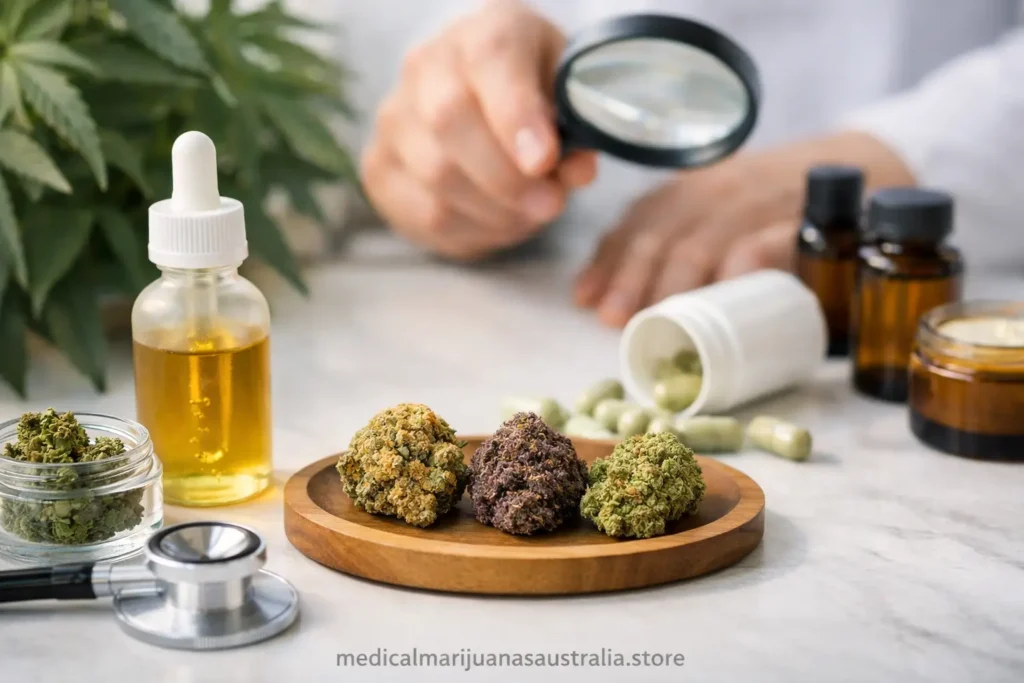
If you are new to medical cannabis, the biggest mistake is usually choosing by name alone. A strain might be popular, sound familiar, or get recommended in a forum, but that does not mean it is the right fit for your symptoms, tolerance, or daily routine. When patients ask how to choose cannabis strains, the most helpful starting point is not the strain name. It is what you need relief from, when you need it, and how you want to feel while using it.
For medical use, strain selection works best when it is practical. You are not trying to find the strongest product or the trendiest flower. You are trying to narrow down options that match your health goals, fit a legal prescription pathway, and can be used safely under medical guidance.
How to choose cannabis strains based on your symptoms
The first question is simple: what are you treating? Chronic pain, anxiety, poor sleep, muscle tension, low appetite, or a combination of symptoms can all point towards different cannabinoid and terpene profiles.
If pain is the main issue, some patients respond better to THC-dominant products, while others do well with balanced THC and CBD. THC may help with pain intensity and relaxation, but it can also feel too strong for some people, especially at higher doses. CBD-focused options may feel gentler and more functional during the day, though they are not always enough on their own for severe symptoms.
For anxiety, caution matters. Some cannabis products can feel calming, while others may increase racing thoughts or discomfort, particularly if THC is too high for your tolerance. Patients who are sensitive to THC often start with lower-THC or CBD-rich products and then adjust with their doctor.
For insomnia, the ideal strain is often one that supports sedation without leaving you groggy the next day. That balance can take some trial and adjustment. What helps one person switch off at night may leave another person feeling foggy or overstimulated.
This is why symptom matching is more useful than broad labels. You are looking for a therapeutic effect, not a personality type in plant form.
Start with cannabinoids, not strain names
The words indica, sativa, and hybrid still get used often, but they are not reliable enough on their own for medical decisions. They can offer a rough impression of expected effects, yet two products labelled the same way may feel very different.
A better way to choose is to look at the cannabinoids first. THC is usually associated with stronger psychoactive effects, pain relief, appetite stimulation, and sedation in some products. CBD is non-intoxicating and often chosen for patients who want symptom support with less impairment. Some prescribed products are balanced, which can suit patients who want the potential benefits of both.
The ratio matters as much as the percentage. A high-THC flower may be appropriate for some evening pain patients, but not for someone who needs to stay clear-headed. A balanced oil may be more manageable for a first-time patient, especially if they are cautious about side effects.
When people ask how to choose cannabis strains, this is often the turning point. Once you stop chasing names and start reading cannabinoid content, the options become much easier to assess.
Why terpenes can change the experience
Terpenes are aromatic compounds in cannabis that may influence how a product feels. You do not need to memorise every terpene, but it helps to know that they can shape the experience beyond THC and CBD alone.
For example, myrcene is often associated with more relaxing effects. Limonene can feel brighter or more uplifting for some patients. Caryophyllene is commonly discussed in relation to stress and discomfort. These are not guarantees, and terpene effects vary from person to person, but they can help explain why two products with similar THC levels do not always feel the same.
If you have previously used a product that worked well, noting the terpene profile can give your prescribing doctor useful clues for future selections.
Choose the right format as well as the right strain
The strain is only part of the decision. Product format matters just as much because onset time, duration, and dose control can all affect how suitable a treatment feels.
Flower tends to have a faster onset, which some patients prefer when symptoms flare quickly. It may be useful for breakthrough pain or for evening use when effects are needed sooner. Oils are slower to take effect but often last longer, which can suit patients looking for steadier symptom control. Edibles can also last longer, though timing and strength can be harder to judge, especially for beginners. Vapes may offer a faster onset, but they are not the right choice for everyone.
This is where lifestyle matters. A patient managing night-time pain may want a different product type from someone treating daytime anxiety. The same strain profile may feel more useful in an oil than in a flower, depending on the situation.
Consider your tolerance and past cannabis experience
A first-time patient should not choose the same way as someone with years of prior cannabis use. Tolerance changes how strongly a product feels, how quickly side effects appear, and what dose range is realistic.
If you are new to cannabis, lower-THC and balanced products are often a safer place to begin. Starting too strong can lead to a poor first experience, including dizziness, sedation, dry mouth, or anxiety. That does not mean cannabis is unsuitable. It often means the product or dose was not a good match.
If you have used cannabis before, it is still worth being careful with prescribed medical products. Strength, consistency, and formulation can differ from what people are used to outside a regulated pathway.
Think about the time of day you need relief
One of the most practical ways to narrow your options is to ask whether the strain needs to support daytime function, evening winding down, or both.
For daytime use, many patients prefer products that provide symptom relief without heavy sedation. That may mean lower THC, higher CBD, or a balanced formulation that feels manageable. For evening use, patients are often more comfortable with stronger relaxing effects, particularly if sleep or pain is the main concern.
Some people do best with more than one product under their treatment plan. A gentler option for the day and a more sedating option for the evening can make more sense than forcing one strain to do everything.
How to choose cannabis strains with your doctor
The safest and most effective approach is to choose strains with clinical guidance rather than guesswork. A prescribing doctor can look at your symptoms, medical history, current medications, mental health considerations, and previous cannabis experience before recommending a product.
That matters because cannabis is not one-size-fits-all. A strain that helps one patient sleep may not be suitable for another patient with anxiety, low tolerance, or a job that requires morning alertness. There can also be reasons to avoid certain formulations or THC strengths depending on your health profile.
In a regulated medical setting, this process is more structured than many patients expect. You are not being left alone to make a blind choice. You can discuss your goals, report side effects, and adjust over time. That tends to lead to better outcomes than picking based on internet reviews or strain hype.
Keep a simple record of what works
Choosing the right strain often takes some fine-tuning. Keeping notes can make that process faster and less frustrating. You do not need a complicated symptom diary. Just record the product, dose, time used, symptom relief, and any side effects.
Patterns usually show up quickly. You might notice one product helps pain but affects concentration. Another may support sleep but takes too long to work. A third may feel ideal at a lower dose than expected. These details are useful when reviewing your treatment plan with your doctor.
Common mistakes patients make
The most common issue is choosing for potency instead of suitability. Higher THC is not always better. Sometimes it creates more side effects without improving relief.
Another mistake is relying too heavily on indica or sativa labels. They can be a starting point, but they are too broad to guide treatment on their own. The same goes for copying someone else’s recommendation. Their condition, tolerance, and response may be completely different from yours.
Patients also run into trouble when they judge a product too quickly. Some formats take longer to work, and some treatment plans need careful dose adjustments before the benefits become clear. Being cautious is wise, but patience matters too.
Choosing medical cannabis should feel clearer once you focus on symptoms, cannabinoids, format, timing, and medical guidance rather than strain names alone. If you are working through legal treatment options in Australia, a guided pathway such as Medical Marijuana Australia can help take the guesswork out of that process. The right strain is rarely the one with the loudest reputation. It is the one that helps you feel more like yourself, with support you can trust.
