
Blogs
Indica vs Sativa Medical: What Matters?
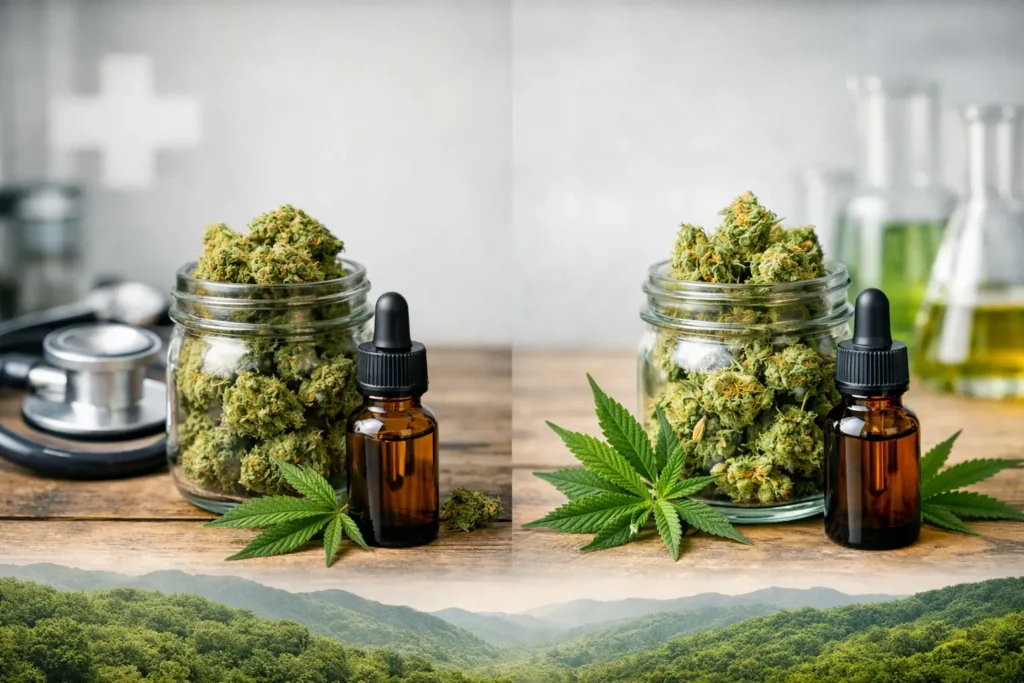
A lot of patients start with the same question: indica vs sativa medical – which one is better for pain, sleep, anxiety, or getting through the day without feeling too foggy? It sounds like a simple choice, but in medical cannabis, the answer is usually more specific than picking one side.
The old indica and sativa labels can be useful as a starting point. They give patients a rough idea of how a product might feel. But they do not tell the whole story, and relying on those terms alone can lead to the wrong product, the wrong timing, or effects that do not match your needs.
For medical use, the better question is not just whether something is indica or sativa. It is what symptoms you are treating, what cannabinoids and terpenes are present, how strong the product is, and whether you need symptom control during the day, at night, or both.
Indica vs sativa medical: what do the labels mean?
Traditionally, indica has been associated with calmer, heavier effects. Patients often use that label when they are looking for support with sleep, evening pain, muscle tension, or restlessness. Sativa is more often linked with uplifting or mentally alert effects, which some patients associate with daytime use, mood support, or fatigue.
That broad distinction is part of why these terms have stuck around. They are easy to understand and they give first-time patients a simple way to begin the conversation. If someone says they want help sleeping, it makes sense that they might ask for an indica-leaning product. If they want symptom relief without feeling too slowed down, they may ask about sativa-leaning options.
The catch is that modern medical cannabis products are far more complex than those labels suggest. Many products are hybrids, and even flower sold under an indica or sativa banner may have effects shaped more by cannabinoid content and terpene profile than by the category printed on the label.
Why indica vs sativa is only part of the picture
Two products can both be described as indica and still feel quite different. The same goes for two products labelled sativa. That is because the experience is influenced by several variables working together.
THC content matters because it affects intensity. A higher-THC product may be more sedating for one person and more mentally stimulating for another, especially at a dose that is too high. CBD also matters because it can change how balanced or tolerable a product feels. Some patients prefer balanced THC:CBD products because they offer symptom relief with a lower chance of feeling overwhelmed.
Terpenes also play a role. These aromatic compounds help shape how a product feels in practice. For example, a terpene profile associated with relaxation may suit evening use, while another profile may feel brighter or clearer for some patients. This is one reason doctors and clinics do not usually choose treatment based on indica or sativa labels alone.
Then there is the individual factor. Your tolerance, body chemistry, health condition, previous cannabis use, and even the time of day can affect the outcome. A product that helps one person sleep may make another person feel mentally active. That is normal in medical cannabis care, and it is why treatment works best when it is adjusted carefully.
When indica-leaning products may be considered
Indica-leaning products are often discussed when the goal is rest, reduced physical tension, or relief that fits better in the evening. Patients with insomnia, nighttime pain, or symptoms that flare after work often ask about these options first.
That does not mean indica equals sleep every time. A low dose may simply feel calming. A higher dose may feel too heavy for some people. For others, too much THC close to bedtime can actually create mental discomfort rather than relaxation. This is where medical guidance matters, because the right product still has to match your sensitivity and dose range.
For some patients, an indica-leaning oil is useful because it offers a slower onset and longer-lasting effect overnight. Others may be prescribed flower where quicker onset is needed. The best fit depends on the symptom pattern rather than the label alone.
Common situations where patients ask about indica types
Sleep difficulty is the obvious one, but it is not the only reason. Some patients dealing with chronic pain, muscle tightness, or evening anxiety prefer products that feel more settling. If daytime function is not the priority, a more relaxing profile may make sense.
Still, there is a trade-off. Products chosen for stronger evening relief may bring next-morning grogginess in some patients, especially early in treatment. That is why a slow and careful start is usually the safest approach.
When sativa-leaning products may be considered
Sativa-leaning products are more often associated with daytime use. Patients sometimes ask for them when they want symptom relief while staying engaged with work, family, or daily tasks. That may include people managing low mood, fatigue, or pain where a heavily sedating effect would be unhelpful.
But again, the label is only a guide. Some sativa-leaning products can feel too stimulating for patients prone to anxiety, racing thoughts, or sensitivity to THC. Others may find them clear-headed and useful in low doses. The difference often comes down to formulation, dose, and the patient’s own response.
For that reason, doctors may start with a lower-THC option or a balanced product if daytime function matters. The aim is not simply to avoid sedation. It is to find symptom relief that still feels manageable and predictable.
Where sativa-style products can be less suitable
If you already struggle with anxiety, panic, or overstimulation, some sativa-leaning products may not be the best place to begin. That does not mean they are off the table forever. It means the product choice and dose need extra care. In some cases, a balanced CBD-containing option is a gentler starting point.
What matters more than the label
If you are comparing indica vs sativa medical products, focus on four practical questions.
First, what symptom are you treating? Pain, insomnia, anxiety, and reduced appetite can each require a different approach.
Second, when do you need relief? A daytime product should usually be assessed differently from an evening one.
Third, what is the THC and CBD ratio? This often tells you more about likely intensity than the indica or sativa tag.
Fourth, how sensitive are you to cannabis? First-time patients generally need a more cautious starting point than experienced users.
This is where a doctor-guided process makes the biggest difference. Instead of guessing based on internet strain charts or informal advice, patients can be matched with product categories that fit their goals, experience level, and tolerance.
How doctors usually approach medical cannabis selection
Medical prescribing is less about chasing a famous strain name and more about building a treatment plan. A doctor will usually consider your condition, current medications, previous cannabis exposure, mental health history, and how much daytime function you need.
From there, they may recommend a category such as a balanced oil, a THC-dominant flower for evening use, or a CBD-focused option if the goal is symptom support with minimal intoxication. If needed, treatment can be adjusted over time. That flexibility is important because cannabis therapy often requires some fine-tuning.
In Australia, access also sits within a regulated medical framework, which gives patients a safer path than relying on unverified products or informal strain claims. The main benefit is not just legality. It is consistency, quality control, and clinician oversight.
A better way to think about indica vs sativa medical use
Think of indica and sativa as rough signposts, not final answers. They can help you describe the kind of effect you think you want, but they should not be the only basis for treatment decisions. A patient who says, “I need something calming at night” is giving useful information. So is the patient who says, “I need relief during the day and still want to stay sharp.” Those goals are more medically useful than the label by itself.
For many people, the best result comes from using different products at different times. An evening product might lean more relaxing, while a daytime option is lower in THC or more balanced with CBD. That is a common and sensible approach when symptoms do not look the same across the day.
If you are new to treatment, it helps to keep your expectations flexible. The right product may not be the one with the most familiar label. It may be the one that fits your symptoms, your routine, and your doctor’s plan with the fewest unwanted effects.
A good starting point is not asking whether indica or sativa wins. It is asking what kind of relief you need, when you need it, and how to get there safely with medical guidance.
