
Blogs
Medical Cannabis Edibles Australia Explained
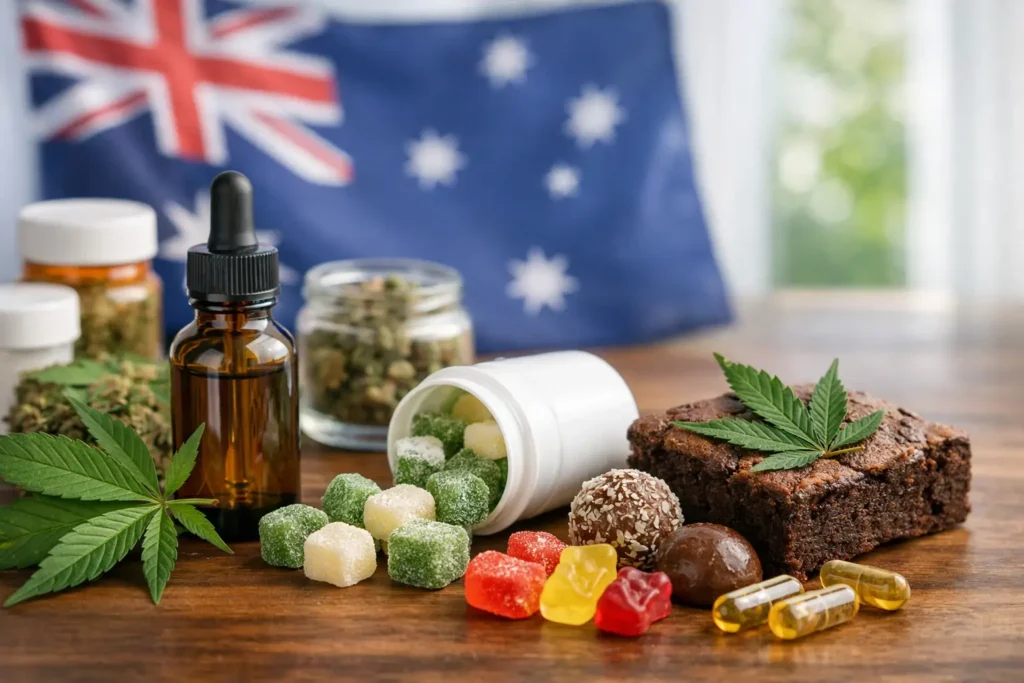
Edibles sound simple on the surface. You eat a product, wait, and expect relief. But when patients ask about medical cannabis edibles Australia options, the real questions are usually more practical: are they legal, how do they feel compared with oil or flower, and are they a sensible choice for your condition?
For many people, edibles are appealing because they feel familiar. There is no inhalation, no strong smell, and no need to learn much equipment. That can make them less confronting for first-time patients, especially those looking for a discreet, doctor-guided option for chronic pain, anxiety, insomnia or ongoing symptom management.
What are medical cannabis edibles?
Medical cannabis edibles are cannabis products designed to be taken by mouth in a form other than standard oil drops or capsules. Depending on the product pathway available through a prescribing doctor, this may include gummies, lozenges, chewable formats or other oral products containing THC, CBD, or a balanced combination of both.
What matters most is not whether a product looks familiar or convenient. What matters is that it is prescribed legally, supplied through an approved pathway, and matched to your treatment goals. In a medical setting, edibles are not treated as novelty products. They are part of a broader treatment plan that needs the same care as any other prescription medicine.
Are medical cannabis edibles legal in Australia?
Yes, but only through the proper medical pathway. In Australia, cannabis products that contain scheduled cannabinoids are not something you can legally buy off a shelf because you are curious to try them. Access generally requires a consultation with an authorised doctor or nurse practitioner, an assessment of your symptoms and history, and a prescription if the clinician decides the treatment is appropriate.
That distinction matters. A legal prescription product is different from an unregulated edible bought through unofficial channels. Regulated access gives patients clarity on ingredients, cannabinoid content, dosing consistency and medical oversight. It also reduces the guesswork that causes many of the bad experiences people associate with edibles.
Why some patients prefer edibles
Edibles can suit patients who want a slower, longer-lasting effect. Unlike inhaled products, which are felt relatively quickly, edible cannabis usually takes longer to come on because it passes through the digestive system first. For some patients, that slower onset is frustrating. For others, it is exactly the point.
If your symptoms tend to build over the evening, or you need support that lasts through the night, an edible format may be worth discussing with a prescribing doctor. Some patients also prefer oral products because they are easier to fit into a routine. There is no vapour, no odour and no obvious administration method, which can be helpful for privacy.
That said, convenience does not automatically mean simplicity. Edibles can be easier to take, but they can also be easier to overestimate if you expect instant results.
How edibles feel compared with other cannabis products
This is where expectations need to be realistic. Edibles generally take longer to start working than inhaled cannabis. It is common for onset to take anywhere from around 30 minutes to two hours, sometimes longer depending on the product, your metabolism, whether you have eaten, and your individual response.
The effects may also feel stronger or more full-bodied for some people, particularly with THC-containing products. That is one reason doctors usually start low and adjust gradually. A patient who tolerates a certain amount of inhaled THC may still find the edible experience quite different.
CBD-dominant edibles tend to be approached differently again. They may be discussed where the goal is symptom support without the stronger psychoactive effect associated with THC. But even then, the right product depends on your condition, your existing medications and how your body responds.
Medical cannabis edibles Australia patients should understand before starting
The biggest mistake with edibles is taking more too soon. Because the onset is delayed, some people assume the first dose is not working and add another. Then both doses begin to take effect together, which can lead to an experience that feels far stronger than intended.
This is why dosing guidance matters so much. If a doctor prescribes an edible product, the instruction is usually conservative at the start. That can feel cautious, but it is designed to protect you. The goal is not to prove you can feel something quickly. The goal is to find the lowest effective dose with the fewest unwanted effects.
It also helps to be consistent. Taking an edible one night on an empty stomach and the next night after a large meal can affect how quickly it comes on and how strong it feels. Building a routine makes it easier to judge whether the product is helping.
Who may be suited to edibles
Edibles may be worth discussing if you are looking for longer symptom coverage, dislike inhalation, or want a more discreet format. Patients managing sleep issues often ask about oral products because they may fit better into an evening routine. Some people with persistent pain also prefer a longer duration of effect rather than a faster but shorter experience.
Still, suitability depends on more than preference. Your medical history matters. So does your tolerance, your work and driving obligations, and whether you are sensitive to THC. If you need fast symptom relief, an edible may not be the best fit on its own. If you are new to cannabis altogether, your prescriber may recommend a very cautious starting point or a different format first.
Potential side effects and trade-offs
Edibles can be helpful, but they are not side-effect free. THC-containing products may cause drowsiness, dizziness, dry mouth, impaired concentration or anxiety, particularly at higher doses or in people who are more sensitive. Because the onset is delayed, side effects can also feel less predictable if dosing is rushed.
There are practical trade-offs too. A slower onset can be useful for overnight support, but less useful when symptoms flare suddenly. A discreet format can be convenient, but only if the dose is reliable and the patient understands how to use it properly. This is very much an it depends category, not a one-size-fits-all solution.
How access usually works
For most patients, the process starts with a medical assessment rather than a product choice. You discuss your symptoms, past treatments, current medications and whether cannabis may be clinically appropriate. If approved, the prescribing clinician considers which format may suit your needs, and that may or may not include edibles.
This is an important point for first-time patients. It is understandable to arrive with a preference, but prescriptions are based on clinical suitability and availability, not just on what sounds easiest. A guided access service can make this process more straightforward by helping you understand what documentation is needed, what the consultation involves, and what happens after approval.
Medical Marijuana Australia is built around that kind of clear pathway, helping patients move from questions to consultation and, where appropriate, legal access under doctor supervision.
Questions to ask before choosing edibles
If you are considering this format, a few questions can help you have a better conversation with your prescriber. Ask how long the product usually takes to work, how long effects may last, what dose you should start with, and whether THC, CBD or a balanced product makes more sense for your symptoms.
It is also worth asking about timing, especially if sleep is your main concern, and about activities to avoid after dosing. Patients should be particularly careful about driving and operating machinery, especially with THC products. Your doctor or clinic should explain these responsibilities clearly.
Setting yourself up for a better experience
The best first experience with edibles is usually the least dramatic one. Start when you are at home, when you do not need to be anywhere, and when you can give the product time to work without second-guessing it. Follow the prescribed dose, keep notes on timing and effect, and report back honestly if it feels too strong, too weak or simply not right for your needs.
That feedback is useful. Medical cannabis treatment often needs adjustment in the early stages. Finding the right product and dose is a process, not a pass-or-fail moment.
If you are curious about medical cannabis edibles Australia access, the safest next step is not guesswork. It is a proper medical conversation with a clinician who can assess your symptoms, explain the legal pathway and help you choose a format that fits your life as well as your treatment goals.
