
Blogs
Tasmanian Botanics Amethyst T25 Explained
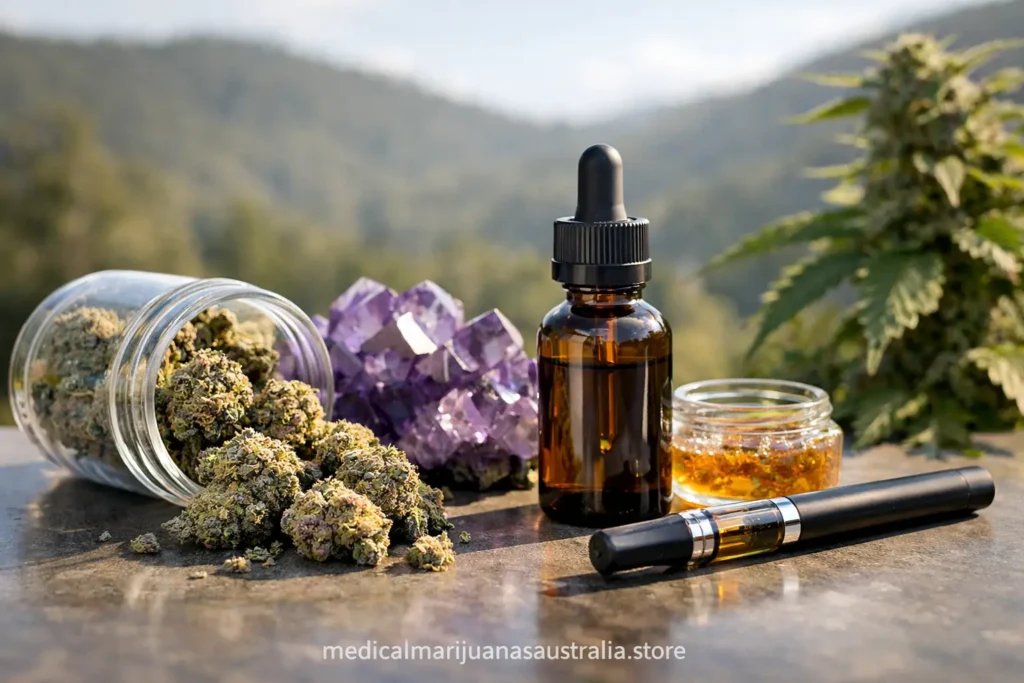
If you have come across tasmanian botanics amethyst t25 while comparing medical cannabis flower options, you are probably trying to answer a practical question: is this the right product for your symptoms, routine and tolerance level? That matters more than any strain name or THC percentage on its own. A flower can look suitable on paper and still be the wrong fit if the timing, effects or intensity do not match what you need.
For many patients, Tasmanian Botanics Amethyst T25 attracts attention because it sits in the higher-THC category while still being discussed as a balanced night-time option. That can make it appealing for people managing insomnia, persistent pain, physical tension or symptoms that tend to build later in the day. At the same time, higher THC is not automatically better. The right flower is the one that supports your treatment goals with side effects you can realistically manage.
What is Tasmanian Botanics Amethyst T25?
Tasmanian Botanics Amethyst T25 is a prescription medical cannabis flower product. The T25 label generally indicates a THC content around 25%, which places it firmly in the stronger end of the flower range. In practical terms, that means many patients will experience pronounced psychoactive effects, particularly if they are new to THC-dominant products or returning after a long break.
What often sets products like this apart is not just strength, but the way the overall cannabinoid and terpene profile shapes the experience. Two flowers with similar THC percentages can feel very different. One may feel heavy and sedating, while another feels mentally active or even a bit edgy. That is why product selection should always go beyond the headline number.
Amethyst T25 is commonly considered by patients who want evening relief rather than an all-day option. If your doctor is assessing suitability, they are likely to consider not only your condition, but also your previous cannabis exposure, your sensitivity to THC, whether you need to stay functional in the evening, and whether you have had issues such as anxiety, dizziness or next-day grogginess with other products.
Why patients ask about Tasmanian Botanics Amethyst T25
Patients rarely ask about one flower in isolation. Usually, they are comparing it with another night flower, trying to understand whether it may be better for sleep, stronger for pain, or gentler on the mind. Tasmanian Botanics Amethyst T25 tends to come up in those conversations because it sits in a category where expectations are high. People often assume a T25 flower will be deeply sedating and consistently heavy.
Sometimes that is true. Sometimes it is not. The effect depends on the person, the dose, the time of use and the specific batch profile. For one patient, a small evening dose may ease muscle tension and help them settle. For another, the same flower may feel mentally strong before the body relaxes, especially if they are sensitive to THC. This is one of the reasons doctor guidance matters. Medical cannabis is not a one-size-fits-all purchase. It is a treatment pathway that needs to fit the patient.
Expected effects and where it may fit
A product in this category is often considered for symptoms that interfere with rest and comfort. Patients may discuss it with their prescribing doctor if they are dealing with sleep disturbance, ongoing pain, anxiety that worsens at night, or difficulty winding down after a physically or mentally demanding day.
That said, “night-time flower” is still a broad label. Some night products mainly help the body relax. Others are more likely to create a strong cerebral effect first. If you are hoping for immediate sedation, your doctor may want to know whether previous flowers have made you feel sleepy, overstimulated or mentally foggy. Those details can make a real difference in choosing a product.
The higher THC level also means Amethyst T25 may not suit every patient. If you are THC-naive, prone to panic, or very sensitive to dry mouth, racing thoughts or post-dose fatigue, a lower-THC flower or a balanced THC:CBD product may be the better starting point. There is no prize for beginning with the strongest option available.
THC strength is only part of the picture
A common mistake is to treat THC percentage as a direct measure of treatment quality. It is useful information, but it is not the full story. A stronger flower can sometimes produce more side effects without offering better symptom control. In other cases, a patient may find that a modest dose of a stronger flower works better than a larger dose of a lower-strength product.
This is where terpenes and dosing method start to matter. Aroma descriptions are often treated as marketing language, but they can offer clues about the broader profile of a flower. Earthy, fruity, herbal or floral notes may reflect terpenes that shape how the product feels, although they do not guarantee a specific result. A terpene-rich flower may feel smoother, calmer or more rounded for some people, while others notice very little difference.
The main point is simple: choose for function, not hype. If your goal is sleep support, reduced pain at night, or fewer overnight wake-ups, those outcomes are more useful than chasing the highest THC number.
How doctors usually assess suitability
When a doctor considers whether a flower like this is appropriate, they are looking at your broader clinical picture. That includes the condition being treated, current medications, mental health history, prior cannabis use and your daily responsibilities. If you need to drive early, care for children overnight, or wake feeling clear-headed for work, a heavy evening flower may solve one problem while creating another.
Doctors also consider whether flower is the right format at all. Some patients prefer oils because they provide longer-lasting overnight coverage. Others prefer inhaled flower because onset is faster and easier to titrate. There is a trade-off either way. Faster onset can help with immediate symptom relief, but duration may be shorter. Oils may last longer, but they can be less flexible if the dose turns out to be too much.
That is why a consultation should cover not just what symptoms you have, but when they happen, how long they last, and what you want your evenings and mornings to look like.
Starting low still matters with Amethyst T25
Even experienced patients can run into trouble when changing products. Tasmanian Botanics Amethyst T25 may feel different from another T25 flower because the broader profile changes the effect. A sensible starting approach is usually cautious, especially with a new batch or a product you have not used before.
Many side effects associated with high-THC flower come from taking too much too quickly. Patients may describe feeling overly sedated, mentally uncomfortable, dizzy or simply “too high” for the therapeutic benefit to be useful. Starting low gives you a better chance of identifying the minimum effective dose rather than overshooting it.
It also helps to think about timing. If you are trialling a new night flower, doing so on an evening with no major obligations the next morning is usually the safer option. That gives you space to understand the onset, peak and next-day effect before making it part of your regular routine.
When this product may not be the best fit
There are reasonable situations where Amethyst T25 may not be your best option. If your symptoms mainly occur during the day, a stronger evening flower may not address the moments you need relief most. If you are sensitive to THC, you may get side effects before you get meaningful benefit. And if your main issue is maintaining sleep through the night rather than falling asleep, your doctor may prefer to discuss other product formats or combinations.
It may also be less suitable if you are looking for a very mild introduction to medical cannabis. First-time patients often do better when they begin with something easier to control and gradually work up only if needed. That approach can feel slower, but it usually builds confidence and reduces unpleasant early experiences.
What to keep in mind before asking for it
If you are interested in this product, go into your consultation ready to talk about outcomes, not just names. Explain whether you are trying to improve sleep onset, reduce pain before bed, ease anxious thoughts at night, or limit overnight waking. Mention any past cannabis experience, especially if certain products made you sleepy, wired, paranoid or foggy the next day.
That kind of information gives your prescribing doctor a better basis for deciding whether Tasmanian Botanics Amethyst T25 is appropriate or whether another flower, oil or balanced product would likely serve you better. A good treatment plan is not built around a trendy product. It is built around how safely and consistently you can get relief.
For patients using a guided access platform such as Medical Marijuana Australia, that clarity can make the process feel far less overwhelming. You do not need to arrive knowing every product detail. You just need a clear picture of your symptoms, your concerns and what a successful result looks like for you.
The most helpful way to think about Amethyst T25 is not as a “strong strain” but as a potential tool within a doctor-guided treatment plan. If it matches your needs, tolerance and evening routine, it may be worth discussing. If it does not, that is useful information too – because the right medical cannabis product should fit your life, not ask you to fit around it.
