
Blogs
Medical Cannabis for Anxiety Australia Explained
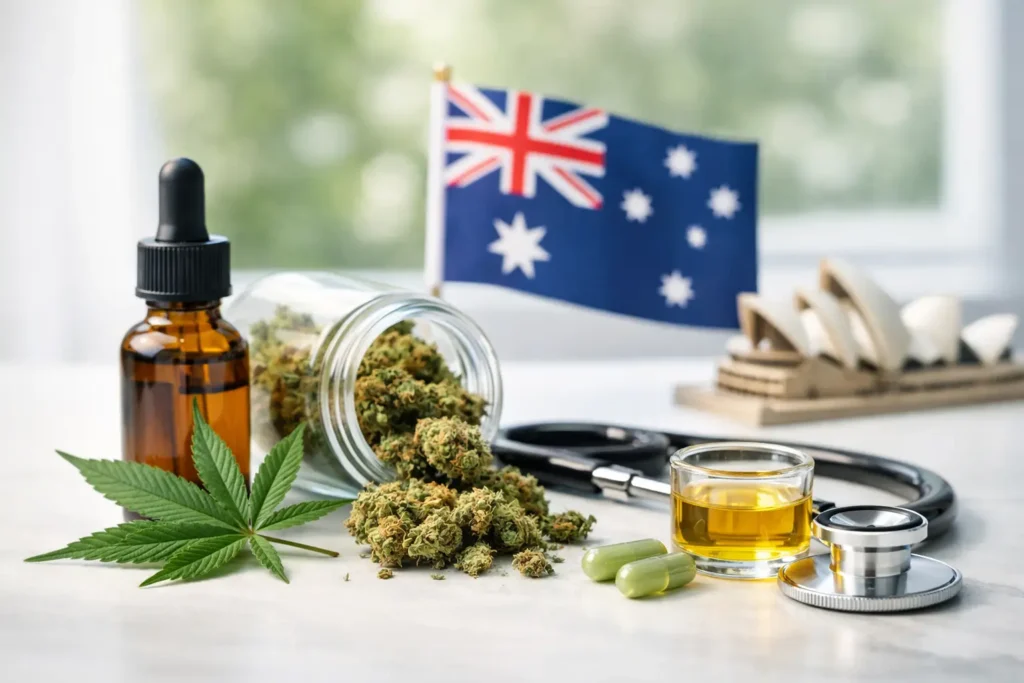
Feeling on edge all the time is exhausting. For many people, anxiety does not look dramatic – it looks like poor sleep, a racing mind, a tight chest before work, or never quite being able to switch off. That is why interest in medical cannabis for anxiety in Australia has grown so quickly. People want options that are legal, medically supervised, and easier to understand than the noise online.
When medical cannabis may be considered for anxiety
Medical cannabis is not usually the first treatment a doctor will suggest for anxiety. In many cases, GPs and specialists will first look at established approaches such as psychology, lifestyle changes, and standard prescription medicines where appropriate. That does not mean cannabis has no place. It means it is generally considered when symptoms are ongoing, disruptive, or not well managed with other options.
This matters because anxiety is not one single condition. One person may have generalised anxiety with constant worry. Another may have panic symptoms, social anxiety, insomnia linked to anxiety, or anxiety that sits alongside chronic pain or PTSD. A doctor will look at the whole picture, not just the word anxiety on its own.
In practice, that assessment often comes down to symptom pattern, medical history, current medicines, and how much anxiety is affecting daily life. If cannabis is considered suitable, it should be part of a treatment plan rather than a quick fix.
Medical cannabis for anxiety in Australia – what doctors look at
In Australia, medical cannabis is legal when prescribed by an authorised doctor or through the appropriate approval pathway. That legal framework is one of the biggest reasons patients now prefer prescription access over guessing their way through illicit products. You know what you are being prescribed, you know the product is regulated, and you have medical oversight.
For anxiety, doctors usually want to understand a few key things. They will ask how long symptoms have been present, what has already been tried, whether there is a history of depression, bipolar disorder, psychosis, or substance dependence, and whether sleep is a major issue. These details matter because cannabis is not suitable for everyone.
There is also a practical point here. Anxiety symptoms can overlap with many other concerns, including burnout, trauma, hormonal changes, chronic pain, or medication side effects. Good prescribing starts with sorting out what is actually happening rather than treating everything as the same problem.
CBD vs THC for anxiety
A lot of patient confusion comes down to one question – is it CBD or THC that helps with anxiety?
The answer is that it depends on the person, the product, and the symptom goal. CBD is often viewed as the gentler starting point for anxiety-focused care because it is non-intoxicating and less likely to trigger the unwanted “too high” feeling that can make anxiety worse. Some patients use CBD-dominant oils during the day because they want symptom support without impairment.
THC is more complicated. Some patients report that low doses help them relax, settle at night, or reduce physical tension. Others find THC increases nervousness, racing thoughts, or paranoia, especially at higher doses or if they are inexperienced. That is why careful prescribing and dosing matter so much.
For some people, a balanced product containing both CBD and THC may be considered. For others, CBD-only or CBD-dominant treatment is the better fit. There is no universal best product for anxiety, and anyone promising one simple answer is skipping the clinical reality.
Why dose matters more than hype
With anxiety, more is not always better. In fact, starting too high can be one of the fastest ways to have a poor experience. Doctors usually follow a low-and-slow approach, particularly when THC is involved. That means beginning at a low dose, monitoring effects, and adjusting gradually.
This steady approach helps identify whether a product is easing symptoms, causing drowsiness, affecting concentration, or creating side effects that outweigh any benefit. It also gives patients a clearer sense of what is actually working instead of making big changes too quickly.
What forms of medical cannabis may be prescribed
For anxiety, oils are often a common starting point because they allow more controlled dosing and can fit into a routine more easily than inhaled products. A doctor may recommend an oil for consistent symptom management or for evening use where sleep is part of the problem.
Flower and vape products can have a faster onset, which may appeal to some patients, but they are not always the first choice for anxiety. Faster onset can be useful in some situations, yet it can also make dosing easier to overdo, especially for first-time patients. Edibles may be prescribed in some cases, though they can be slower to take effect and harder for some people to judge accurately.
The best format often depends on lifestyle, symptom timing, previous cannabis experience, and how comfortable the patient is with titration. Someone needing predictable daily support may suit a different format than someone whose symptoms peak at night.
Benefits patients are usually hoping for
Most patients are not looking to feel intoxicated. They are looking for relief that feels manageable and functional. For anxiety, that may mean less mental overactivity, better sleep, fewer physical stress symptoms, or a greater sense of calm during the day.
That said, expectations need to stay realistic. Medical cannabis may reduce symptoms for some people, but it is not a cure for the causes of anxiety. It may work best alongside counselling, sleep support, exercise, and stress management rather than replacing them.
A good treatment outcome is often subtle. You may not feel dramatically different. You may simply notice that your evenings are calmer, your sleep is more settled, or your thoughts are less relentless. For many patients, that kind of change is meaningful.
Risks and trade-offs to know before starting
This is where a balanced conversation matters. Cannabis can help some people with anxiety, but it can also make symptoms worse in the wrong context. THC, in particular, may increase anxiety, impair concentration, or lead to dizziness, dry mouth, sedation, and short-term cognitive effects.
There are also safety considerations around driving, work duties, and combining cannabis with other medicines. If a product contains THC, patients need to understand the legal and practical implications clearly. That is one reason doctor guidance is so important.
People with a personal or family history of psychosis, certain mood disorders, or problematic substance use may need extra caution, or cannabis may not be appropriate at all. Pregnancy and breastfeeding also require careful medical advice.
None of this is meant to be alarming. It is simply the difference between informed treatment and wishful thinking. The safest path is a legal one with screening, follow-up, and a clear plan.
How legal access works
The process is usually more straightforward than many people expect. If you are considering medical cannabis for anxiety in Australia, the first step is a clinical assessment. A prescribing doctor reviews your symptoms, health history, current treatment, and whether cannabis may be appropriate under Australian regulations.
If approved, the prescription is matched to your clinical needs rather than chosen at random from internet opinions. That may involve an oil, flower, vape, edible, or another format depending on the treatment goal. Follow-up is then used to review symptom response, side effects, and whether the product or dose should be adjusted.
For many patients, the biggest benefit of a guided access platform is not just convenience. It is having the process explained clearly, with less confusion around eligibility, product types, and what comes next.
Is medical cannabis right for your anxiety?
That depends on your symptoms, your medical history, and what you have already tried. It may be worth discussing if anxiety is persistent, affecting sleep or quality of life, and current treatment has not been enough. It may also be worth considering if you want a legal, supervised alternative to self-medicating.
It may be less suitable if you are hoping for an instant fix, if you are uncomfortable with the idea of monitored dose adjustments, or if your health history raises red flags that need a different treatment path first.
What matters most is getting proper advice rather than relying on anecdotes. Anxiety is personal, and treatment should be too. Services such as Medical Marijuana Australia are designed to make that process clearer, with doctor-guided access that keeps legality, safety, and patient care front and centre.
If you are curious about medical cannabis, start with a proper assessment and honest expectations. The goal is not to chase a trend – it is to find out whether a regulated treatment option could help you feel more steady, sleep more easily, and get a bit more of your day back.
